HS-LS2-8
Evaluate the evidence for the role of group behavior on individual and species' chances to survive and reproduce.
- Animals
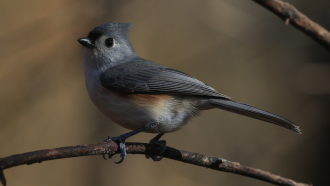
Scientists Say: Kleptotrichy
Based on the Greek words for theft and hair, kleptotrichy is a more common bird behavior than people thought.
- Animals
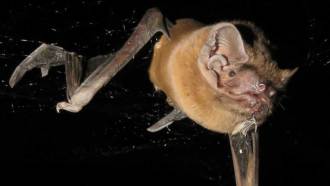
Analyze This: Some bats feast on songbirds midflight
Sensor data reveal greater noctule bats chasing, catching and chewing on birds during nighttime hunts.
- Animals
Let’s learn about venom
A bite or puncture from a venomous critter can cause paralysis, flesh rot, organ failure and many more violent — and sometimes fatal — symptoms.
- Life
Scientists Say: Biodiversity
The coral reefs at Komodo, one of the Lesser Sunda Islands in Indonesia, are among the most diverse ecosystems on Earth.
- Animals
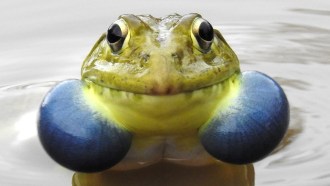
Frogs evolved a wide variety of vocal sacs to amplify their ribbits
Maybe you've seen frogs with ballooning throats, but what about pop-out poofs and fat ear bumps?
- Animals
Scientists Say: Kleptopredation
It’s a hunter-eat-hunter world out there, and this feeding strategy gives some double-dipping predators a competitive edge.
- Animals
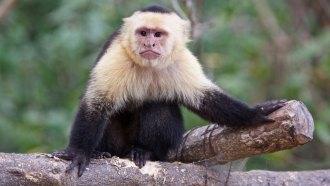
Young capuchins are kidnapping baby howler monkeys
The disturbing habit has emerged among capuchin monkeys on a remote island off Panama. Scientists are baffled — and concerned.
- Plants
Pollinators send out good vibrations — and plants respond sweetly
Snapdragon blooms can distinguish between the sounds of pollinators and thieves. They boost or drop the sugar in their nectar depending who’s arriving.
- Animals
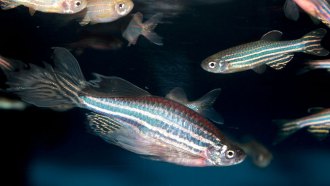
These fish yawn — and it’s contagious
Zebrafish are the first cold-blooded animals known to behave this way. Contagious yawning may affect other behaviors in these fish, too.
- Animals
The ‘bone collector’ caterpillar wears its prey as camouflage
For months, the caterpillar scavenges spider webs for scrapped insect body parts to cover its protective case. Later, that case will serve as its cocoon.
- Health & Medicine
Three U.S tick species may trigger a mysterious red-meat allergy
This little-known allergy, known as alpha-gal syndrome, is potentially deadly. Here’s what we know about it — and how to avoid the tick bites that seem to cause it.
- Animals
Butts of these fly larvae mimic a termite’s face
Young blowflies found in Morocco look — and smell — like the termites they hide amongst. These tricks help the larvae survive amongst the killers.