Matter and Its Interactions
- Chemistry
Scientists Say: Oxidation and Reduction
Oxidation and reduction are two parts of a chemical process in which one atom steals electrons from another.
- Chemistry
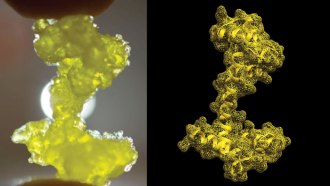
New glue offers to turn any small walking robot into Spider-Man
To climb walls, robot feet need to alternately stick and let go. A novel adhesive can do that. Its stickiness is controlled by electric fields.
- Chemistry
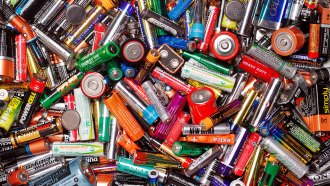
Explainer: Ions and radicals in our world
When atoms get an electric charge, they act very differently. Now called ions, these are behind many aspects of chemistry, including acids and batteries.
- Chemistry
Explainer: What is an electrode?
An electrode’s name depends on the circumstances. Confused? It may help to consider which electrochemical reaction is natural — and which is not.
- Chemistry
Lots of makeup may contain potentially harmful ‘forever chemicals’
Hints of PFAS compounds have turned up in about half of tested makeup products. Waterproof mascaras and lipsticks were very likely to contain them.
- Physics
Nuclear clocks are nearly here
More precise clocks could improve technologies such as GPS and help scientists test major ideas in science.
- Brain
Father-son bond inspires sweets that model the shapes of molecules
These bite-sized gummy candies could spark interest in the world of chemistry, especially among students who can’t see.
- Chemistry
Sleep-friendlier lighting is on the way
Chemists have created a new glowing material for LEDs. It should lessen how much near-bedtime lighting impairs your ability to nod off.
- Animals
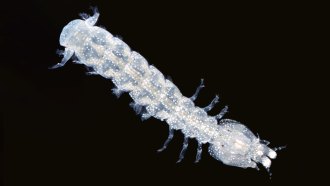
Mantis shrimp inspires somersaults of new soft robot
Its rolling acrobatics allow this robot to move especially swiftly — much as a fictional new Disney character can.
- Physics
Scientists Say: Bond
In chemistry, this attachment between atoms forms because of the power of attraction. Chemical bonds make up every solid object on Earth.
- Planets
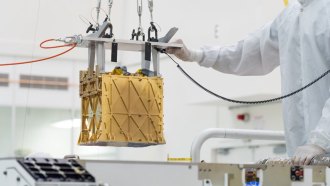
The Perseverance rover split CO2 on Mars to make breathable air
This oxygen-making experiment shows that astronauts could one day make air to breathe and to help fuel their ride back home.
- Chemistry
Scientists Say: Metal
Metals are substances that can be elements, alloys or compounds. They all conduct heat and electricity and can be formed into different shapes.