MS-ETS1-4
Develop a model to generate data for iterative testing and modification of a proposed object, tool, or process such that an optimal design can be achieved.
- Earth
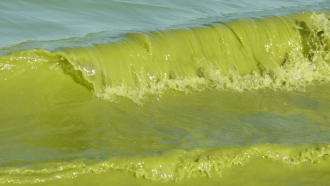
Water sensor quickly detects algal poison
A new sensor can detect poisons from harmful algae within minutes so that drinking-water plants can start timely treatments.
- Brain
Cool Jobs: Video game creators
Meet an engineer who worked on StarCraft II, an expert building a new kind of reality and a neuroscientist who uses games as brain therapy.
- Chemistry
Chemistry Nobel honors pioneers of world’s smallest machines
Three chemists are being honored with a Nobel Prize for their pioneering work creating itty bitty machines, including a microscopic ‘nanocar.’
- Tech
Hot, hot, hot? New fabric could help you stay cool
A plastic fabric can let body heat escape efficiently, if the material is filled with tiny bubbles of just the right size
- Computing
Self-designed tattoos are fashionable technology
Researchers have created do-it-yourself temporary tattoos. They’re a fashion-forward way to control electronic devices.
- Health & Medicine
‘Smart’ sutures monitor healing
Coatings added to the threads used to stitch up a wound let researchers use electrical signals to monitor a wound’s healing — even one covered by a bandage.
- Animals
Beetles offer people lessons in moisture control
Taking tricks from a beetle, researchers are designing surfaces that collect water from the air or resist frost buildup.
- Ecosystems
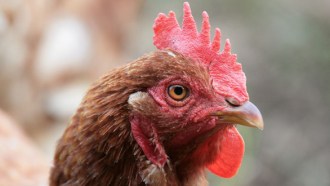
Will chicken cologne guard you from malaria?
Mosquitoes that carry malaria are repelled by the smell of chickens. In malaria country, that could make these birds a human’s best friend.
- Health & Medicine
Nano medicines take aim at big diseases
Nanomedicines are new treatments and tools that are taking aim at disease from the cellular level. Medicine’s next big thing could be very teeny tiny.
- Health & Medicine
New study raises questions about cell phone safety
U.S. government study in rats links cell-phone radiation to a small increase in brain cancers and heart tumors. Some scientists now worry about lifetime risks to today’s children and teens.
- Health & Medicine
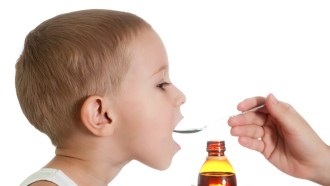
Don’t use dinner-table spoons for liquid medicines!
Kids are safer when parents use precise tools to measure liquid medicines. Switching from teaspoons to metric tools could help, a new study finds.
- Health & Medicine
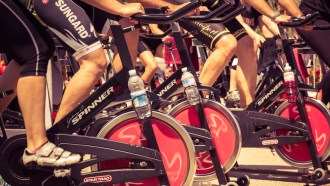
To remember something new: Exercise!
People who exercised strenuously for a half hour after learning something new cemented those memories. But the trick: Wait four hours before getting the heart pumping vigorously.