MS-LS2-3
Develop a model to describe the cycling of matter and flow of energy among living and nonliving parts of an ecosystem.
- Health & Medicine
Clay: A new way to fight germs?
Geologists have discovered a type of volcanic clay that shows promise in fighting infections — maybe even ones resistant to antibiotic medicines.
- Microbes
The Bahamas’ African roots
Ocean bacteria may have built the Bahama islands, fed by dust blown across the Atlantic from the Sahara Desert.
- Animals
Keep the lights on for National Moth Week
Helping scientists is as easy as leaving your porch light on. Photograph the moths you see and upload them to the Internet for science.
- Animals
Teen shows salty lionfish are getting fresh
Lauren Arrington kept spotting lionfish in rivers near her Florida home. Her science fair project probed how much fresh water these ocean fish could stand — and led to a published research paper.
- Animals
Cool Jobs: A whale of a time
Studying blue whales, spinner dolphins and other cetaceans demands clever ways to unveil the out-of-sight behaviors of these marine denizens.
- Environment
Native ‘snot’
The ‘rock snot’ choking rivers may be native algae. Experts blame its sudden and dramatic emergence on changes in Earth’s atmosphere, soils and climate.
- Animals
Trees: Koala air conditioning
When koalas sprawl over a tree branch, they may not be lazy. They just might be taking advantage of some natural cooling — enough to survive a heat wave.
-
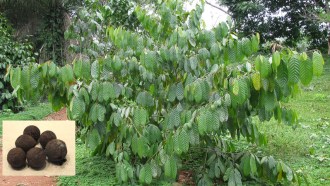
Solving bad breath one walnut at a time
Two teens came up with a cheap and simple solution to halitosis. It’s the African walnut.
- Animals
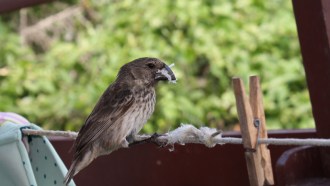
Helping birds doctor their babies
Darwin’s finches will soften their nests by weaving in fibers, such as stray bits of cotton. An observant biologist offered those birds some insecticide-treated cotton and the birds took it, which saved their young from deadly parasites.
- Animals
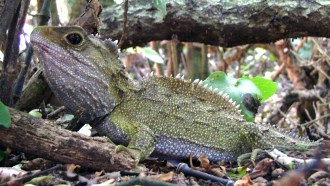
When a species can’t stand the heat
When temperatures rise, New Zealand’s tuatara produce more males. With global warming, that could leave the ancient reptile species with too few females to avoid going extinct.
- Environment
Burning to learn
Fires cause billions of dollars of destruction to homes and forests every year. But not all fires are bad, especially for forests. With a better understanding of fire, scientists can both help people prevent dangerous fires — and identify which ones it would be better to let burn.
- Environment
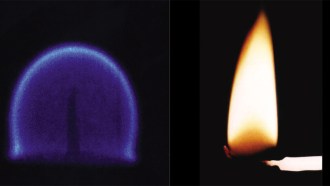
Explainer: How and why fires burn
A fire’s colorful flame results from a chemical reaction known as combustion.