MS-LS2-3
Develop a model to describe the cycling of matter and flow of energy among living and nonliving parts of an ecosystem.
- Agriculture
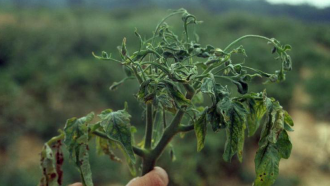
Sneaky! Virus sickens plants, but helps them multiply
The cucumber mosaic virus helps tomato plants lure pollinators. When the plants multiply, the virus now gets new hosts.
-
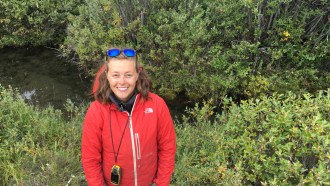
A Day in the Life: Arctic ecologist
Ever wonder what a scientist in the Arctic does all day? Mary Kate Swenarton scrubs rocks, catches fish and measures stream flow, depth, temperature and more.
- Ecosystems
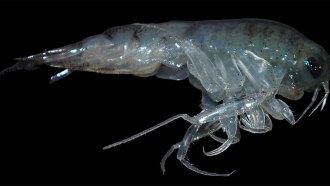
Algae embedded in sea ice drive the Arctic food web
Scientists traced where zooplankton in the Arctic get their energy from. Many open ocean species rely on algae found in sea ice, which is disappearing.
- Climate
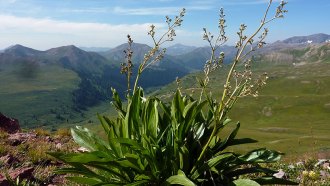
Climate closing the gender gap for this mountain flower
Among valerian plants, males like it hotter than the females do. So a warming climate has been speeding their migration up once-cool mountainsides.
- Animals
Frigate birds spend months without landing
Frigate birds can fly non-stop for months. They stay in the air with the help of upward-moving airflows, a new study finds.
- Earth
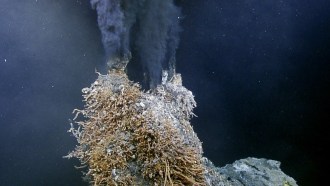
Seafloor hosts surprising number of deep-sea vents
A new sensor detects changes in seawater chemistry and finds far more ecosystem-supporting seafloor vents than scientists had believed were out there.
- Animals
Teens use science to worm through plastic waste
Some beetle larvae can eat plastic, which might be good for our pollution problem. But which types eat the most can vary a lot, these young scientists find.
- Earth
How ancient African fish feed today’s Amazon
Many of the world’s lushest tropical forests would starve if winds didn’t bring them nutrient-rich dust from across an ocean.
- Animals
Taking attendance with eDNA
Environmental DNA, or eDNA, tells biologists what species are in an area — even when they’re out of sight.
- Chemistry
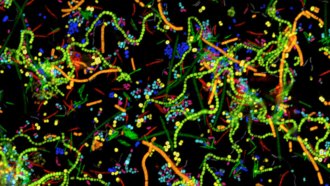
Slime cities
Biofilms are like tiny cities of bacteria — some harmless, others destructive. Scientists are learning how to keep these microscopic metropolises under control.
- Animals
News Brief: Bees prefer caffeine-spiked nectar
Bees usually alert friends to sources of especially sweet nectar. But a new study finds caffeine is every bit as appealing to them as the sugar is. And that could compromise the quality of their honey.
- Earth
Cool Jobs: Finding foods for the future
What's for dinner... tomorrow? Scientists are developing new foods to meet the demands of the growing population in a changing world.