Animals
Frozen poop reveals Ice Age squirrels’ ecosystem
Ancient ground squirrels were anything but picky eaters. Genetic material from grasses to woolly mammoths popped up in frozen squirrel poop.
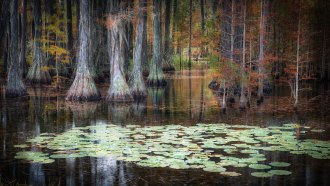
This Georgia peat swamp’s vast stores of carbon and water are under threat from mining and pollution. Scientists and locals are fighting to protect it.
The traditional yogurt-making technique was once popular in parts of Europe and Asia. But don’t try this at home!
Humans have been making chocolate for millennia. Now scientists are investigating how to make this tasty treat more abundant and nutritious.
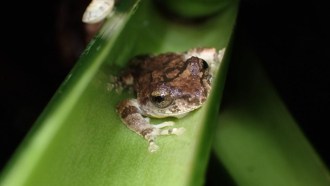
Eiffinger’s tree frog tadpoles store their solid waste in an intestinal pouch. This releases less toxic ammonia into their watery cribs.
Research points to certain yeast and bacteria as culprits behind some dandruff. Special shampoos or prescription cleansers can help.
Some animals help fight climate change by boosting the amount of carbon dioxide that plants, algae and bacteria absorb from the atmosphere.
These special memory cells were present in people with allergies and absent in those without.
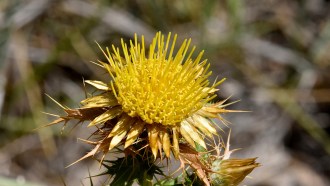
Its yellow flowers can cool themselves substantially, staying up to 10 degrees C (18 degrees F) cooler in extreme heat.