MS-LS2-3
Develop a model to describe the cycling of matter and flow of energy among living and nonliving parts of an ecosystem.
- Animals
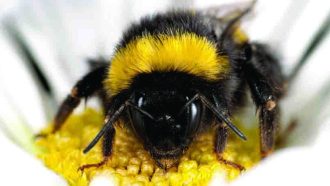
Passing diseases from bee to bee
A study finds that the viruses and parasites that plague honeybees can infect bumblebees too, sickening another important pollinator.
- Earth
Intel STS finalist brings earthworms to the big time
Earthworms and charcoal help plants resist infections, according to research by Anne Merrill, a finalist in the 2014 Intel Science Talent Search.
- Earth
Mining metals amidst seafloor animals
Miners may need to get their feet — and everything else — wet as they carefully seek out loads of copper and other valuable natural resources.
- Earth
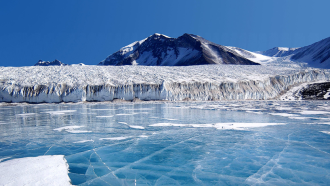
Explainer: Antarctica, land of lakes
There are many, although they tend to be buried under rivers of ice.
- Chemistry
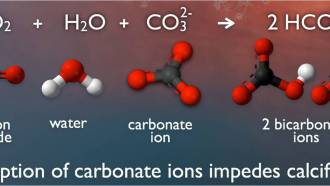
Explainer: Ocean acidification
Here’s why shellfish and other animals in the sea suffer when the ocean is forced to absorb too much carbon dioxide.
- Animals
Tiny earthworms’ big impact
Invasive earthworms change North American landscapes, for better or worse.
-
- Oceans
Life beneath the ‘berg
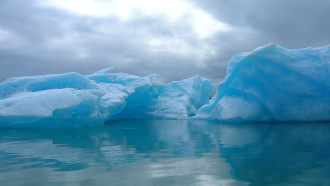
Scientists find Antarctic icebergs play a new and bigger role in the climate cycle.
- Microbes
Life in the bacterial underground
Tiny life forms in rock may coax minerals to release hydrogen for food.
- Environment
Cleaning up fish farms
Although fish farms can supply lots of food, these operations may also cause pollution and hurt wild populations.
- Animals
A fallout feast for crabs
Crabs can take advantage of hot, toxic plumes from undersea vents to feed on poisoned plankton.
- Climate
A change in climate
Global warming may be wiping out some plants and animals or pushing them into new habitats.