MS-LS2-4
Construct an argument supported by empirical evidence that changes to physical or biological components of an ecosystem affect populations.
- Animals
GM mosquitoes cut rate of viral disease in Brazil
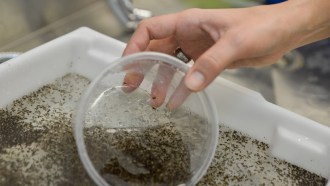
Adults males carrying the altered gene cannot father young that survive to adulthood. That’s when they suck blood — and can transmit disease.
- Health & Medicine
U.S. mosquitoes now spreading Zika virus
Scientists had worried that if people sick with Zika came to America, local mosquitoes might bite them and spread the disease. That’s now happened.
- Animals
Current coral bleaching event is the longest known
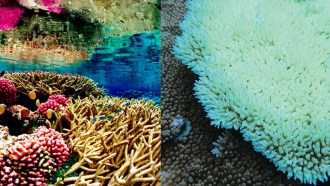
Heat stress has led to the longest coral bleaching event on record. Scientists now worry that global warming may make such prolonged crises more frequent.
- Animals
How a moth went to the dark side
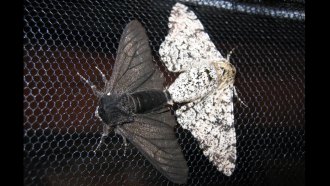
Peppered moths and some butterflies are icons of evolution. Now scientists have found a gene responsible for making them so.
- Animals
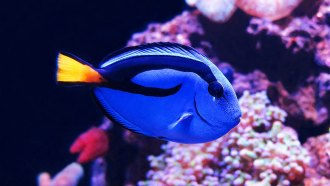
Catching ‘Dory’ fish can poison entire coral reef ecosystems
More than half of saltwater-aquarium fish sold in the United States may have been caught in the wild using cyanide, new data show.
- Animals
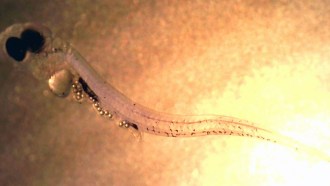
Uh oh! Baby fish prefer plastic to real food
Given a choice, baby fish will eat plastic microbeads instead of real food. That plastic stunts their growth and makes them easier prey for predators.
- Animals
Eating toxic algae makes plankton speedy swimmers
After slurping up harmful algae, copepods swim fast and straight — making them easy prey for hungry predators.
- Animals
Common plant could help fight Zika virus
A teen discovered that extracts from leaves of the San Francisco plant (Codiaeum variegatum) kill larvae of the mosquito that helps spread the Zika and dengue fever viruses.
- Animals
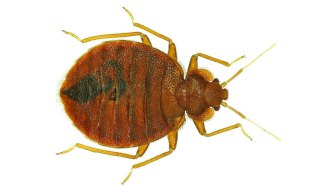
Bed bugs have favorite colors
Bed bugs change their color preferences as they get older. Adults like red and black, which may help the dark bugs avoid predators.
- Animals
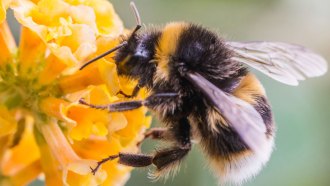
Pollen can become bee ‘junk food’ as CO2 rises
Increasing levels of the greenhouse gas are changing diminishing the food value of pollen, bees’ only source of protein.
- Health & Medicine
Newly discovered microbe keeps teeth healthy
A newfound bacterium halts the tooth erosion that leads to cavities. This germ or one like it might one day be added to toothpaste or mouthwash.
- Earth
Breathing very dirty air may boost obesity risk
Breathing dirty Beijing air made rats heavier and less healthy than rats breathing clean air. Scientists now worry such polluted air may do the same thing to people.