Animals
- Materials Science
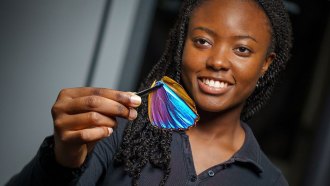
A beautiful blue butterfly wing offers a new way to study cancer
Once a morpho butterfly wing is placed atop a thin slice of tissue, shining polarized light through it can help reveal how likely breast cancer is to spread.
- Animals
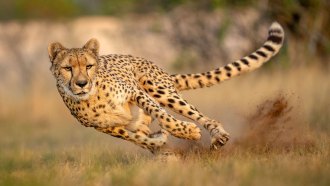
Analyze This: Why the fastest creatures are neither tiny or huge
The “Goldilocks zone” for fast animal speed seems to depend on a body not being too small or so big it gets in the way of its own strength.
- Animals
Lab-grown mosquitoes could help protect Hawaii’s native birds
To curb the spread of avian malaria, a teen researcher found a way to make those mosquitoes grow faster and stronger.
- Animals
Butts of these fly larvae mimic a termite’s face
Young blowflies found in Morocco look — and smell — like the termites they hide amongst. These tricks help the larvae survive amongst the killers.
- Animals
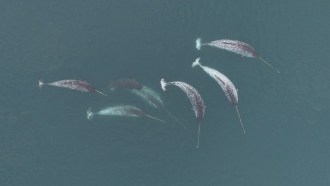
Narwhals may use their enormous lance-like tusks to play
Video shows narwhals using their tusks to prod — even flip — fish they don’t target as prey. It’s the first reported evidence of these whales playing.
- Animals
Mosquitoes taste you before they decide to bite
Mosquitoes seem to prefer some flavors over others. Knowing what they like — and hate — could lead to better ways to prevent bites.
- Animals
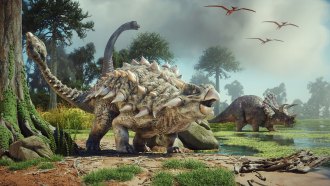
Dinosaurs are still alive. Today, we call them birds
Birds don’t look like the scaly giants of Jurassic World. But fossils are revealing how these modern-day dinosaurs descended from ancient reptiles.
- Animals
What is a dinosaur?
Scientists have named more than 1,000 species of nonavian dinosaurs. Their legacy lives on in the 11,000-plus bird species alive today.
- Animals
Let’s learn about bumblebees
In the spring, queen bumblebees emerge from their winter hibernation to start new colonies.
- Materials Science
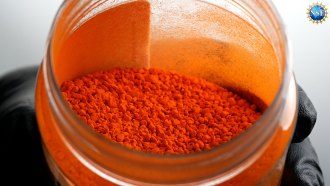
Orange food dye can temporarily turn skin transparent
When mixed with water and rubbed on the skin, a common food dye allows researchers to peer inside the body of a mouse.
- Animals
Among chimpanzees, peeing is contagious
One individual chimpanzee peeing prompts others to follow suit — but scientists don’t know why.
- Science & Society
Does your natural history museum need a makeover?
A lot of their old-fashioned dioramas — a type of exhibit — are biased, boring or even unscientific. Here’s what modern museums are doing to fix that.