Animals
- Animals
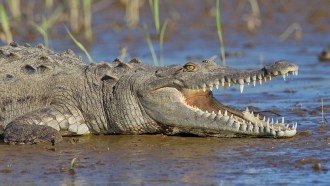
Ancient crocodiles may have preferred chomping plants, not meat
Fossil teeth of ancient crocodilians suggest that some ate plants and that such green diets evolved in crocs at least three times more than 60 million years ago.
- Animals
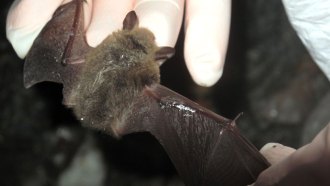
New treatment offers hope for bats battling white nose syndrome
A fungal disease that has wiped out millions of North American bats has a new challenger: antifungal bacteria. Infected bats treated with the germs had a good chance of surviving.
- Animals
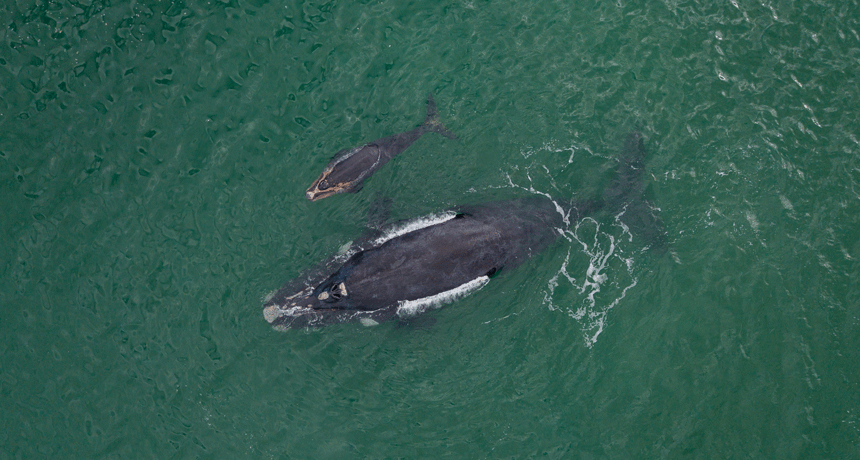
Some mama whales may whisper to keep calves safe from orcas
Even enormous whales can fear the threat that orcas pose to their babies. It now seems that some have taken to whispering to help their young stay off the killer whales’ radar.
- Animals
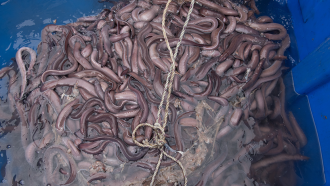
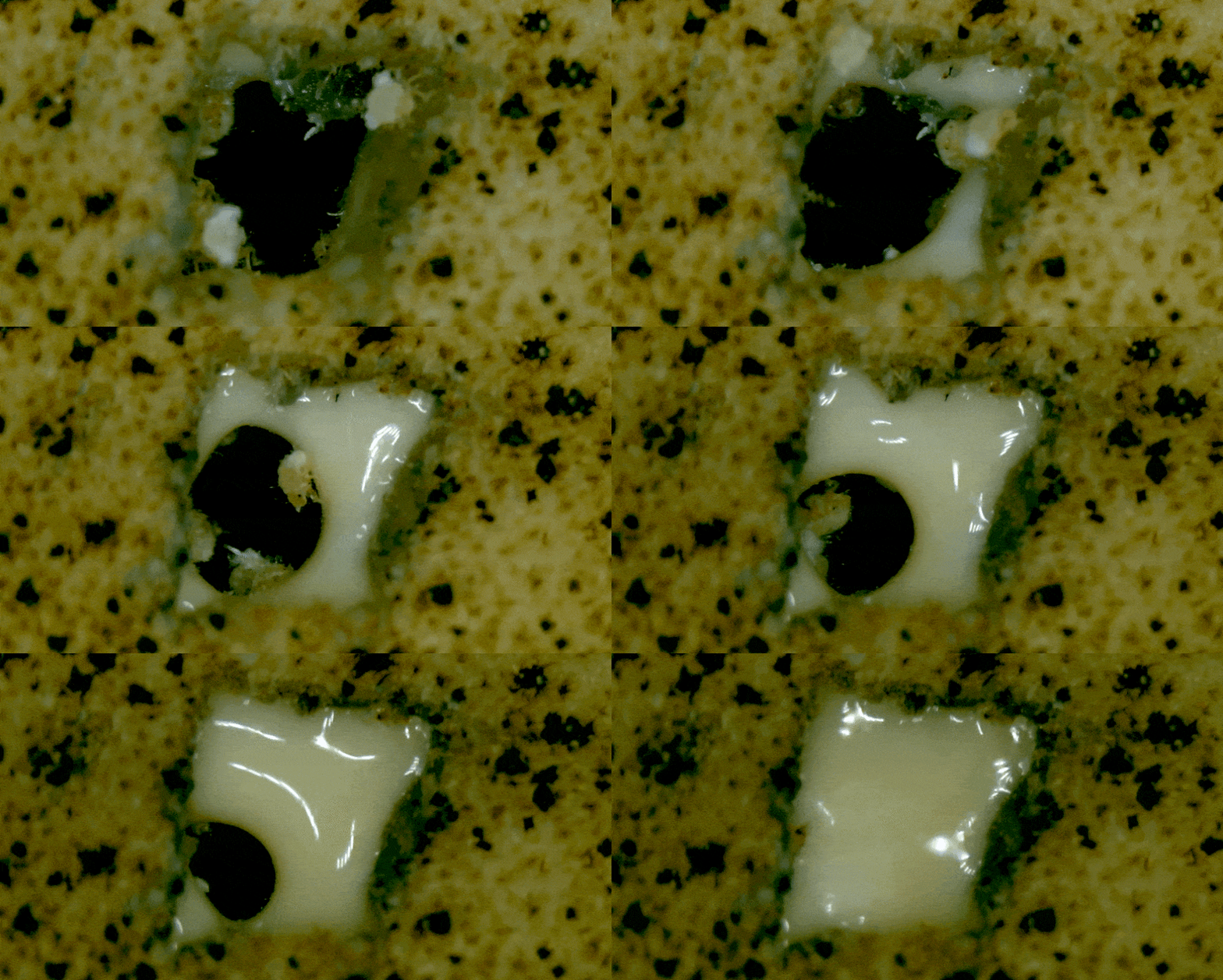
Scientists Say: Hagfish
Hagfish are eel-shaped fish with many traits that make them similar to long-vanished fossils. When threatened, they can pump out piles of slime.
- Animals
A fungus plus a spider toxin equals a weapon to kill mosquitoes
A new weapon could help fight mosquitoes that spread malaria. It’s an engineered fungus that infects the insects — then kills them with a spider poison.
- Animals
Bats are now the primary source of U.S. rabies deaths
Although human rabies is not common in the United States, it still occurs. But here dogs are no longer the likely source of this oft-lethal infection: Bats are.
- Animals
A million species could vanish, and people are to blame
Human activities are putting a million plant and animal species at risk of extinction, a new study finds. But it’s not too late to save many of them, scientists add.
- Animals
Young aphids sacrifice themselves to make home repairs
Young aphids swollen with fatty substances save their colony by self-sacrifice. They use that goo to patch breaches in the wall of their tree home.
- Animals
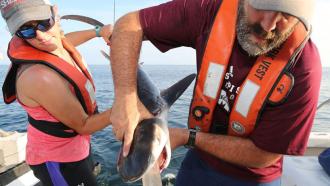
Tiger sharks feast when migratory birds fall out of the sky
Migrating land-based birds that fall from the sky as they cross the Gulf of Mexico can end up in the belly of a young tiger shark.
- Animals
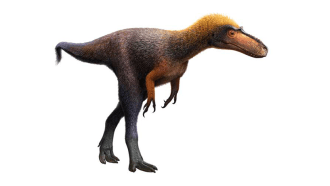
This tiny dinosaur is officially T. rex’s cousin
A newly identified dinosaur species fills a gap in the tyrannosaur family tree.
- Animals
Slimy fish could aid the search for new drugs
Fish slime could teach scientists about bacteria that live on fish and aid in the hunt for new kinds of antibiotics.
- Animals
Analyze This: Amphibian populations are on the decline
The chytrid fungus has been wiping out amphibians around the world. Scientists have tallied up the declines and found that the fungus is responsible for dozens of extinctions.