Animals
- Animals
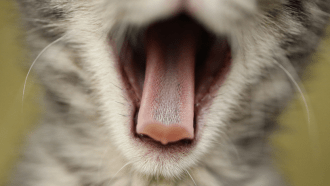
Scientists Say: Papillae
These small nubs stick out from a body part. They include things such as tongue bumps with taste buds and the structures under the skin that help grow hair.
- Animals
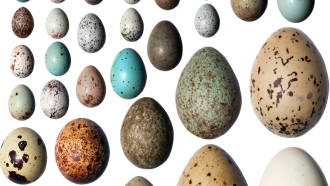
Why are bird eggs in cold climates darker colored?
A global survey of bird egg color has revealed a simple trend: the colder the climate, the darker the egg.
- Animals
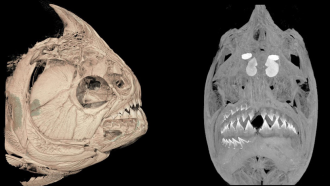
Piranhas and plant-eating kin replace half their teeth at once
Piranhas and pacus shed and replace half of their teeth at a time. New teeth lock together as they push up from the jaw.
- Animals
Blood vessels in their heads kept big dinos from overheating
Giant dinosaurs evolved several ways to cool their blood and avoid heatstroke.
- Animals
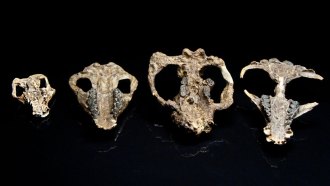
Fossils show mammals’ rise to dominance after the dino-killing asteroid
What happened to mammals after an asteroid wiped out the dinosaurs? Newfound fossils show how they grew in size, eventually dominating much of life on Earth.
- Animals
Weird little fish inspires the development of super-grippers
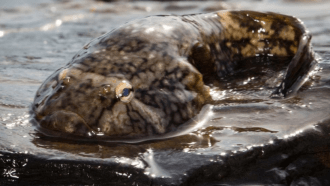
Suction-cup designers were inspired by the rock-grabbing tricks of the aptly named clingfish.
- Animals
Humpback whales catch fish using bubbles and flippers
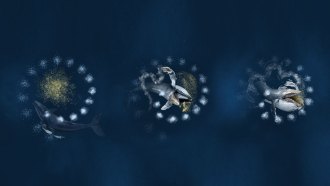
Scientist for the first time have captured details of humpback whales’ hunting tactics on camera.
- Animals
Congolese toads may avoid predators by copycatting deadly vipers
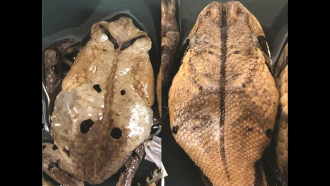
If Congolese giant toads are mimicking venomous Gaboon vipers, this would be the first reported case of a frog imitating a snake.
- Animals
Scientists Say: Species
This word describes organisms grouped by their similarities in genetics and physical traits. But defining species can be tricky.
- Animals
Newly discovered eel sets a jolting record for animal voltage
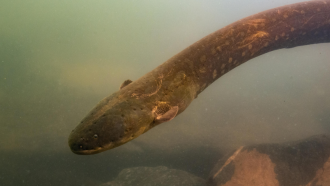
Scientists have found two new electric eel species. One now holds the animal kingdom’s record for highest delivered voltage.
- Animals
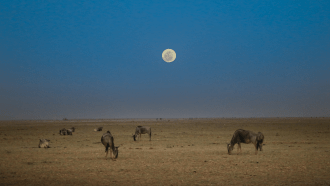
The moon has power over animals
The moon is known for its tidal effects. But its light also can exert a powerful influence on animals large and small.
- Animals
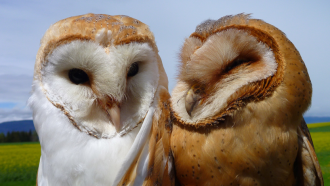
Standing out helps barn owls on the hunt
White barn owls are more successful hunters than red ones — at least when the moon is full.