Health & Medicine
- Brain
Ingredients in popular snack foods can make them addictive
Researchers find that highly processed foods rich in sugar and added fat may be as addictive as tobacco.
- Health & Medicine
How to be heat-safe when playing sports
Protecting young athletes from overheating is getting more important as climate change turns up the temperature.
- Health & Medicine
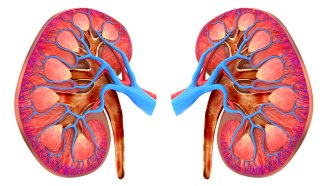
Scientists Say: Kidney
The kidneys remove waste and excess water from the blood, forming urine.
- Health & Medicine
Let’s learn about allergies
Allergies are caused by the body’s immune system overreacting to harmless substances.
- Health & Medicine
New brain scans may show if a concussion has not yet healed
Concussions change certain brain waves, and delta waves may be the best signs of when teens can return to competitive sports.
- Health & Medicine
High school scientists tackle community health and safety risks
Three finalists in the 2023 Regeneron Science Talent Search aim to improve suicide risk assessment, treatment of sickle cell disease and more.
- Science & Society
How daylight saving time throws off your internal clock
Turning the clock ahead knocks our bodies and brains out of sync with the sun. That leads to many potential health issues.
- Health & Medicine
Explainer: Why it’s easier to get sick in the winter
Low humidity helps viruses survive, and cold weather blunts some of the body’s immune responses — making colds and other viral infections more likely.
- Environment
Protecting forests may help head off future pandemics
Hungry bats are more likely to shed harmful viruses to people or livestock when they spread out to hunt food. Conserving forests may limit this risk.
- Brain
The pandemic prematurely aged teens’ brains
A small study showed certain structural changes that appeared three to four years early. Normally, premature aging of the brain is not a good sign.
- Brain
Some screen time may aid kids’ recovery from concussions
A few hours a day on digital devices may actually aid recovery by connecting kids with friends and giving their brains some stimulation.
- Environment
Gas stoves can spew lots of pollution, even when they’re turned off
A new study finds they can leak benzene and other harmful chemicals into homes, sometimes at very high levels.