Life
- Animals
Newfound ‘bambootula’ spider lives inside bamboo stems
A YouTuber discovered a new tarantula genus living in bamboo near his home in Thailand. It’s the only tarantula known to choose such a habitat.
- Archaeology
Our species may have reached Europe while Neandertals were there
Archaeological finds from an ancient French rock-shelter show periodic settlements by both populations, just not at the same time.
- Animals
A new drug mix helps frogs regrow amputated legs
The treatment helped frogs grow working limbs useful for swimming, standing and kicking. It’ll be a while before people can do that.
- Animals
Bees and butterflies struggle to find flowers in polluted air
Emissions from cars and trucks make it harder for insects to find flowers. That in turn reduces flower visits and pollination, a new study finds.
- Life
Scientists Say: Eukaryote
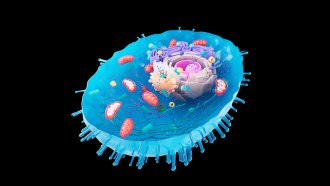
Eukaryotes are living things whose cells package their genetic material inside a pouch called a nucleus.
- Animals
See the world through a jumping spider’s eyes — and other senses
Scientists are teasing out the many ways the spiders’ vision, listening and taste senses differ from ours
- Animals
Goldfish driving ‘cars’ offer new insight into navigation
Fishes’ internal sense of direction is not limited to their natural environment. The latest Wild Things cartoon from Science News for Students.
- Brain
Addiction can develop when reward-seeking changes a teen’s brain
Over time, the pleasure disappears and craving grows. That craving causes stress that can drive people to use drugs or pursue unhealthy behaviors again and again.
- Brain
Americans tend to see imaginary faces as male, not female
When people see imaginary faces in everyday objects, those faces are more likely to be perceived as male than female.
- Animals
Mysterious kunga is the oldest known human-bred hybrid animal
People bred these animals — part donkey, part wild ass — some 4,500 years ago, probably for use in fighting wars.
- Chemistry
Scientists Say: Decay
This word can refer to rotting flesh or the transformation of radioactive atoms.
- Animals
DNA in air can help ID unseen animals nearby
Analyzing these genetic residues in air offers a new way to study animals. It could give scientists a chance to monitor rare or hard to find animals.