Scientists Say
A weekly word defined, in a sentence and in context. Click here to find the alphabetized list.
- Health & Medicine
Scientists Say: Neutrophil
Neutrophils are the first cells to arrive when an infection takes hold. They can trap, eat and spew out chemicals that fight bad bacteria.
- Animals
Scientists Say: Guinea worm
Scientists and health care workers are working to eradicate this parasite, which causes a painful condition called Guinea worm disease.
- Space
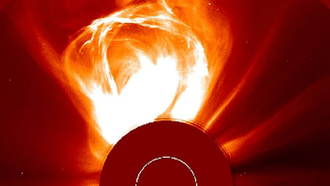
Scientists Say: Space weather
It may not be cloudy with a chance of rain, but space has weather too. Wind and ejections from the sun can send charged particles toward the Earth, knocking out our electricity.
- Genetics
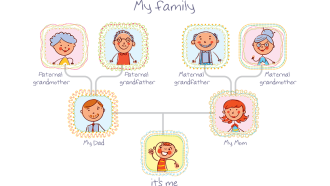
Scientists Say: Genealogy
This is the study of someone’s ancestry. It could mean finding out about someone’s family tree or the history of evolution from one species to another.
-
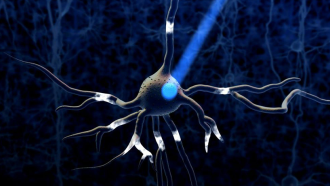
Scientists Say: Optogenetics
This technique lets scientists control cell activity with light. The light triggers the cell to become more or less active.
- Health & Medicine
Scientists Say: Relapse
This is when a health condition comes back, or gets worse, after a period where it had disappeared or been improving.
- Ecosystems
Scientists Say: Wetland
Wetlands are land areas that are flooded with water some or all of the time. They’re more than just wet, though. They filter water, shelter young animals and much more.
- Space
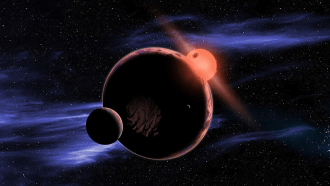
Scientists Say: Red Dwarf
Red dwarfs are the most common kind of star in the Milky Way. They are much smaller and cooler than our own sun.
-
Scientists Say: Faraday cage
A Faraday cage is an enclosure that distributes electrical charge all over its outside. That keeps the inside totally safe from electromagnetic waves.
- Earth
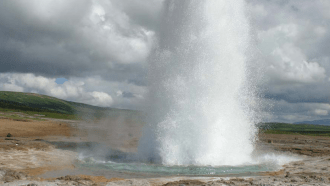
Scientists Say: Geyser
Geysers are underground springs with vents to the surface. When the water gets heated from nearby magma, the geyser blows.
- Animals
Scientists Say: Okapi
Okapis are African mammals that look a bit like horses and a bit like zebras. But they’re most closely related to giraffes.
-
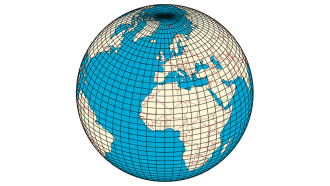
Scientists Say: Latitude and Longitude
Latitude is a measure of how far a location is north or south of the equator. Longitude is a measure of how far east or west a location is from the Prime Meridian.