From Molecules to Organisms: Structures and Processes
- Brain
Brain cells that make you feel full also make you crave dessert
If you want a sweet treat when you feel full after a big meal, blame your brain. Tests in mice and people suggest that the same cells signal satiety and a hunger for sugar.
- Animals
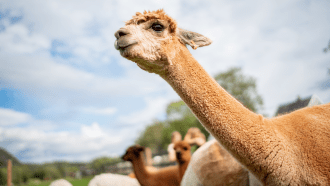
Sheep, llamas and goats fall for optical illusions too
These findings could help reveal when and why falling for optical illusions evolved in animals.
- Health & Medicine
Let’s learn about vaccines
These medical treatments have saved millions of lives and spared many others from seriously unpleasant infections.
- Brain
Parakeets talk using brain areas similar to ours
Brain activity during vocalizing in small parrots — called budgerigars or parakeets — shows a similar pattern to what’s seen in people.
- Health & Medicine
Nearsighted? Teens’ benefits from special contacts can be lasting
Multifocal contact lenses stop the progression of myopia — and the benefits can last even after use of these special lenses ends.
- Health & Medicine
ADHD symptoms may boost teens’ risk of vaping or smoking
Having multiple ADHD symptoms increases a teen’s risk of using vapes or other tobacco. That’s bad because nicotine is especially addictive for kids.
- Animals
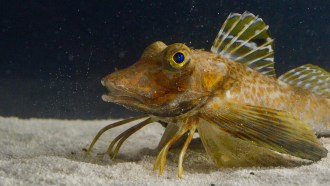
Some fish have legs that can taste prey underfoot
Taste buds on those legs may explain why northern sea robins are so good at finding food that is buried in the sandy seafloor.
- Animals
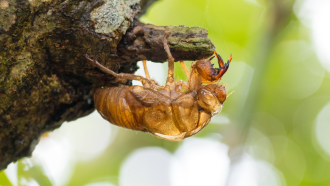
Scientists Say: Exoskeleton
This plate armor provides protection to insects, spiders and more. But that benefit comes with tradeoffs.
- Health & Medicine
Explainer: What is cancer?
Cancer is a whole collection of diseases with one thing in common: all develop when the body’s cells start dividing out of control.
- Brain
Let’s learn about memory
Brain injuries, drug use and other factors can impair our memory. But targeted practice and healthy habits can boost our ability to remember.
- Tech
Squirty gels bring food-like flavors to virtual reality
A new device recreates complex flavors including lemonade, coffee and fish soup by delivering a mix of chemicals.
- Plants
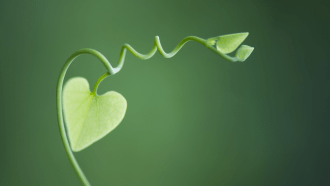
Scientists Say: Circumnutation
Plants are always on the move, their tips slowly waving in search of better light — a process called circumnutation.