From Molecules to Organisms: Structures and Processes
- Humans
Rain Bosworth studies how deaf kids experience the world
This deaf experimental psychologist has found that babies are born ready to learn sign language, just like spoken language.
- Health & Medicine
Want to avoid getting sick? Adopt these immune-boosting behaviors
Research points to ways we can work to stay healthy, even in the face of germs.
- Humans
Peripheral vision and what we can see in the dark
The differences between the rods and cones in our eyes explain why objects seem to vanish in the dark when we look at them.
- Animals
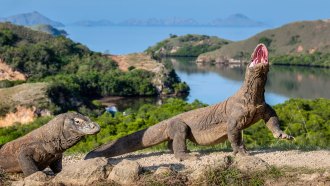
Metal gives the teeth of Komodo dragons their super strength
Investigating Komodo dragons' ironclad teeth in greater detail could also help solve a dental mystery in dinosaurs.
- Animals
A childhood dog inspired this veterinarian to help others
Sunday Agbonika runs the organization Dogalov, which uses animals to help support neurodivergent children in Africa.
- Health & Medicine
A little-known gene may explain why some people never get COVID-19
A quick immune response and high activity of this gene in the nose may help some people avoid getting the viral infection.
- Animals
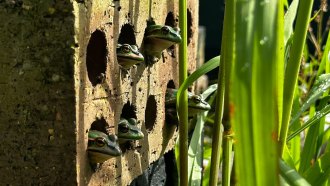
Balmy ‘saunas’ help frogs fend off a deadly fungus
Hanging out in small sun-warmed hideaways could help some frogs resist deadly chytrid fungus, a new study finds.
- Plants
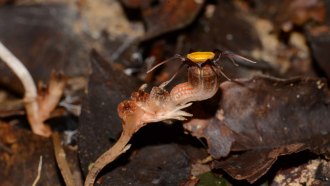
This squid-like ‘fairy lantern’ plant is new to science
A newly named species of fairy lantern — a parasitic plant — sports tentacles and grows among leaf litter and rotten logs in Malaysian rainforests.
- Animals
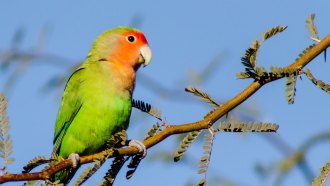
Scientists Say: Beakiation
Parrots use this clever sidestepping motion to maneuver along thin branches.
- Animals
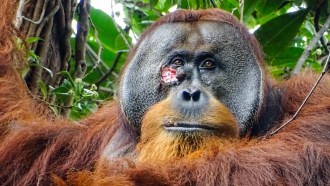
Wild medicine! An orangutan treated his wound with a local plant
This great ape, living in Indonesia, doctored the gash on his face with a plant that people living in the area use as a natural medicine.
- Animals
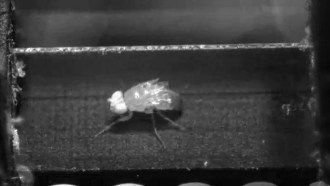
Tiny treadmills reveal how fruit flies sprint
Forcing fruit flies to move shows how the insects coordinate their steps. This holds clues to other animals’ brains and movement.
- Animals
Scientists Say: Endotherm and Ectotherm
Endotherms use their own energy to maintain their internal temperature. Ectotherms use external heat sources to control their body temperature.