From Molecules to Organisms: Structures and Processes
- Animals
These healthy fish have bacteria in their brains
The bodies of most animals keep germs, usually linked to disease, out of their brains. But some fish that host microbes seem to do just fine.
- Microbes
Under the microscope, this biologist sees a tiny jungle
Sally Warring has long been captivated by the beauty of mostly single-celled life forms called protists.
- Animals
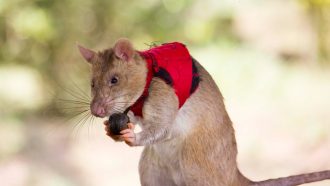
Giant rat border agents could help put a stop to wildlife poaching
African giant pouched rats have been trained to ferret out elephant ivory, pangolin scales and more. They could be put to work preventing smuggling.
- Microbes
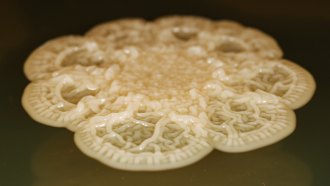
New type of division can split this microbe into 14 cells at once
The newfound strategy seen in C. matruchotii might help oral bacteria recover lost territory after each eviction by toothbrushing.
- Health & Medicine
Science works to demystify hair and help it behave
Research explores new ways to classify hair — from loose curls to tight coils — along with ways to control it and improve its looks and health.
- Climate
An ancient log shows how burying wood can fight climate change
A blanket of clay soil helped the wood hold onto the carbon it had absorbed — for thousands of years.
- Science & Society
Our brains might help explain why people disagree on politics
Differing political views may stem from our evolutionary past — and show up in distinct brain activity. Knowing this may help with challenging discussions.
- Brain
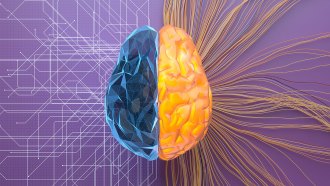
Why we aren’t really ‘left-brained’ or ‘right-brained’
The idea that we use different sides of the brains to be creative or logical is popular — but it’s not supported by science. Here’s why.
- Animals
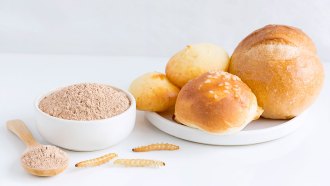
How to make ‘worms’ more nutritious — and easier to swallow
Extracting protein from insect larvae could lead to a healthful food ingredient — and you never have to bite into crunchy legs or squishy bodies.
- Psychology
Struggling to find happiness? Here are some paths to positivity
Teens can become happier by being kind to themselves and connecting with others — in person, rather than online.
- Plants
Explainer: How a seed grows into a plant
Plants use carbon from the air to make food and build shoots, roots and more. They adapt and respond to their environments in many incredible ways.
- Brain
Here’s why being creative is good for your brain
Neuroarts, a new field of science, is finding that exposure to arts can improve learning, behavior and mental health.