From Molecules to Organisms: Structures and Processes
- Animals
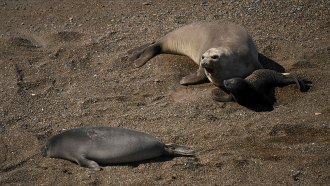
In 2024, bird flu posed big risks — and to far more than birds
Cows, elephant seals and polar bears are among unexpected bird flu casualties. Learn about potential risks to them, to people and to our food supplies.
- Animals
Can furry pets get H5N1 bird flu and spread it to us?
The 2024 pandemic-style bird flu circulating in birds has shown up in cats and other pet species.
- Chemistry
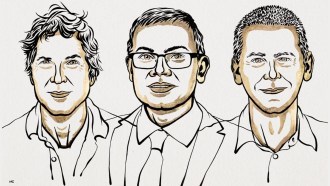
Predicting and designing protein structures wins a 2024 Nobel Prize
A biochemist and two computer scientists using AI shared the top award in chemistry.
- Microbes
More than 100 types of bacteria found living in microwave ovens
More than 30 microwave ovens were sampled in a range of different settings. The microbes in them included ones that can cause food poisoning in people.
- Health & Medicine
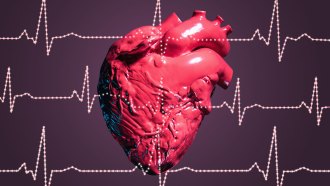
Explainer: Anatomy of a heartbeat
Here’s how the heart pumps blood to each and every cell of the body. It beats roughly 60 times every minute, starting before we’re born.
- Brain
Zap, zap, zap! Our bodies are electric
Electricity powers key functions in the brain, heart and bone. Scientists are working to understand those currents to improve our health and moods.
- Animals
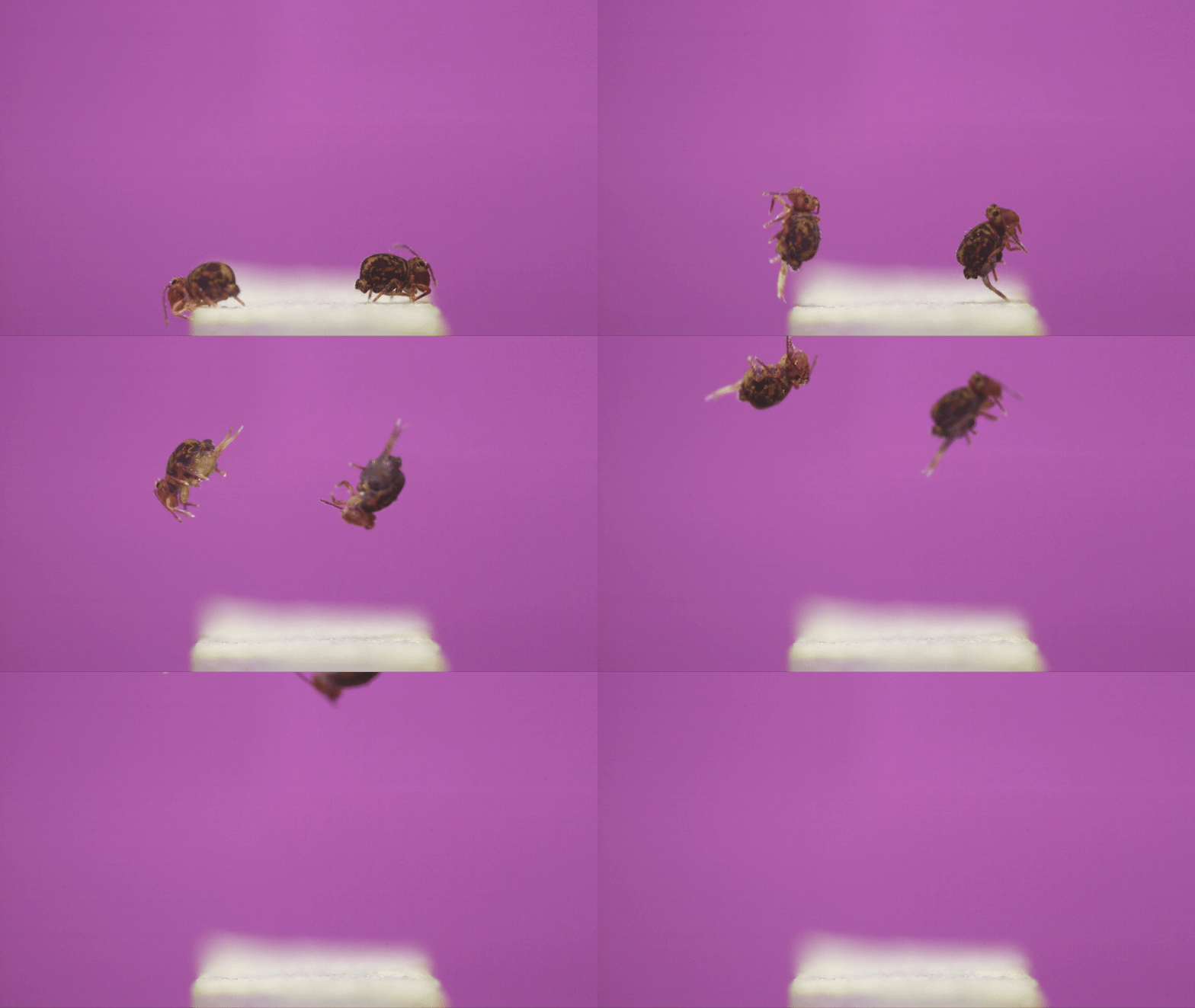
A springtail’s spring-loaded backflip is fast — really fast
Globular springtails can seem to vanish as they spin backwards at rates of up to 368 rotations per second! So don’t blink.
- Animals
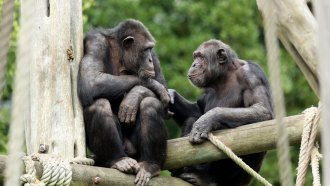
Chimps and bonobos recognize familiar faces even after decades apart
Chimpanzees and bonobos may boast the longest social memory of any animal besides humans.
- Health & Medicine
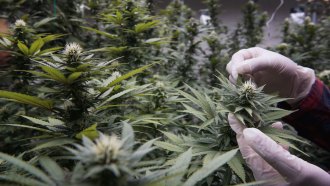
Scientists Say: THC
The active chemical in marijuana might have some medicinal value. But studies point to THC's potential risks, especially for teens.
- Animals
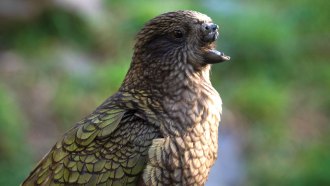
Parrots may offer clues to how our intelligence evolved
Studies of the brainy birds’ abilities to use tools, solve puzzles, speak words and more may teach us about how our species got our smarts.
- Health & Medicine
Use of injectable GLP-1 weight-loss drugs skyrockets among teens
Their long-term safety is still an issue for kids. Meanwhile, a new vibrating robotic pill in early trials might offer an edible alternative to GLP-1s.
- Artificial Intelligence
The brain of a tiny worm inspired a new type of AI
A liquid neural network mimics how neurons interact in the brain of a worm. This type of AI can better adapt to new situations.