HS-ESS2-5
Plan and conduct an investigation of the properties of water and its effects on Earth materials and surface processes.
- Earth
Here’s how ice needles can sculpt natural rock art
Striking stone patterns adorn remote cold landscapes the world over. The recipe for these adornments: Freeze, thaw, repeat.
- Tech
Synthetic trees could tap underground water in arid areas
They also could also help coastal residents mine fresh water from salty sources.
- Physics
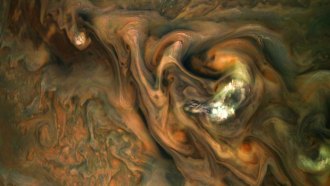
Raindrops on alien worlds will obey Earth-like rules
Their size will be similar no matter what they’re made of or on which planet they fall, a new analysis finds.
- Climate
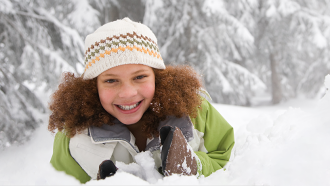
Let’s learn about snow
Snow is more than just frozen water vapor. Scientists are studying everything from its shape to other planets where snowflakes fall.
- Climate
Surprising long-haul dust and tar are melting high glaciers
Dust and tar blown onto high mountains, like the Himalayas, boost the melting of snow and ice far more than scientists had realized. Here’s why.
- Ecosystems
Soggy coastal soils? Here’s why ecologists love them
Coastal wetlands can protect our shores from erosion, flooding and rising sea levels.
- Environment
Here’s one way to harvest water right out of the air
Need water but you have no access to rain, lakes or groundwater? Materials known as metal-organic frameworks could be used to slurp that water from the air, new data show.
- Physics
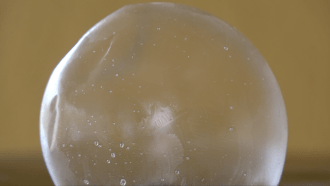
How to temporarily ‘fossilize’ a soap bubble
Here’s how to freeze a soap bubble in midair. Warning: The environment needs to be frosty, and even then it can take a certain amount of trial and error.
-
- Climate
Explainer: Earth’s water is all connected in one vast cycle
Water on Earth is connected in an endless loop called the water cycle.
- Chemistry
Explainer: How is water cleaned up for drinking
Unless you’re drinking well water, city folks typically get drinking water that has been treated in a water-treatment plant. Here’s what that means.
- Climate
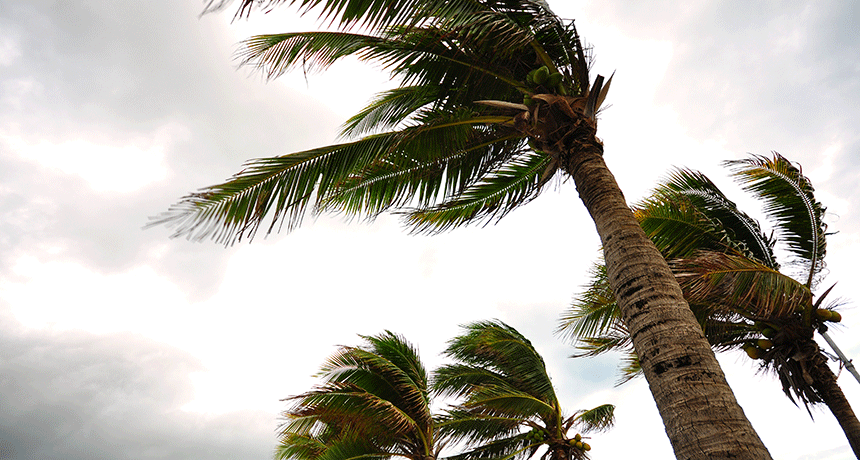
Explainer: Winds and where they come from
Temperature and pressure are critical factors affecting why the wind blows where it does. Understanding the nature of wind can teach us a lot about weather.