HS-LS1-1
Construct an explanation based on evidence for how the structure of DNA determines the structure of proteins which carry out the essential functions of life through systems of specialized cells.
- Agriculture
World’s tallest corn towers nearly 14 meters
Short nights and a genetic tweak helped novel corn reach record heights.
- Genetics
Scientists Say: eDNA
Animals may escape traps or nets, but they often leave DNA behind in their environment, giving scientists important clues.
- Agriculture
Bananas under attack: Understanding their foes
Fungal blights threaten the world’s most popular fruit. But genetic studies hint at new ways to combat some of these diseases.
- Health & Medicine
Grandparents’ diet could be a weighty issue for grandkids
Australian scientists have found that fat mice can pass on a heightened risk of obesity to their sons and grandsons.
- Animals
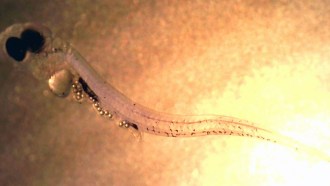
Uh oh! Baby fish prefer plastic to real food
Given a choice, baby fish will eat plastic microbeads instead of real food. That plastic stunts their growth and makes them easier prey for predators.
- Computing
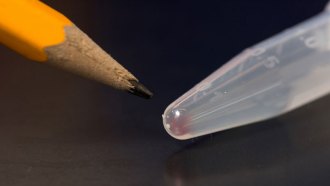
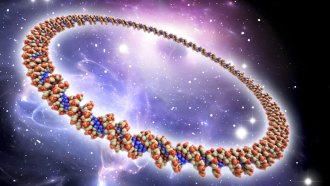
DNA can now store images, video and other types of data
Tiny test tubes might one day replace sprawling data-storage centers, thanks to a new way to encode and retrieve information on strands of synthetic DNA.
- Chemistry
Gotcha! New test stalks diseases early
Chemists screen blood for disease markers by adapting a common DNA test. The test can find disease earlier, when it also may be easier to treat.
- Genetics
Pacific islanders got a double dose of Stone Age DNA
Unlike other people, certain Pacific Islanders inherited DNA from two ancient human ‘cousins.’
- Genetics
Genes: How few needed for life?
Scientists rebuilt a microbe using its old genes. But not all of them. They used as few building-blocks as they could get away with and still have the life-form survive.
- Animals
Cool Jobs: Pet science
Pets make great subjects for research. These scientists work to make our animals — and us — healthier and happier.
- Fossils
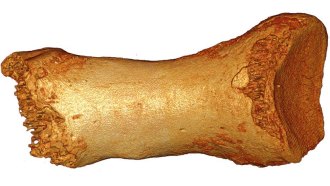
Neandertal toe contains human DNA
DNA from a 50,000-year-old Neandertal woman’s toe bone shows humans left a mark on the ancient species — and much earlier than scientists had thought.
- Animals
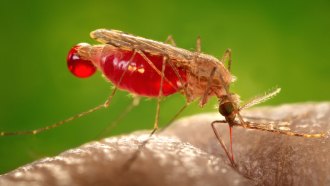
Gene editing swats at mosquitoes
A new genetic technique can render insects that spread malaria unable to reproduce.