Tech
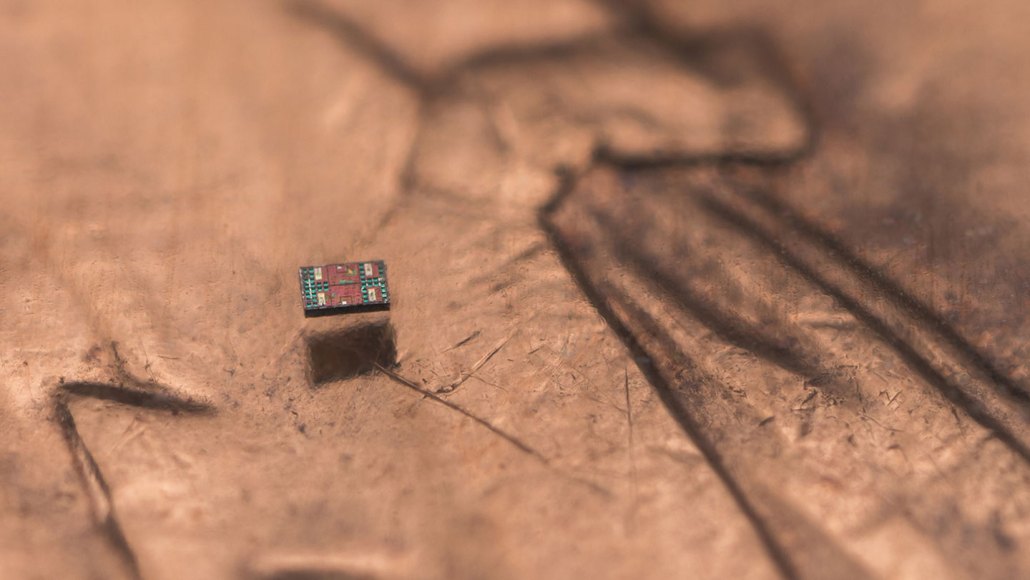
These smart robots are smaller than a grain of salt
Such tiny robots could someday explore the cellular realm to study health and treat diseases.
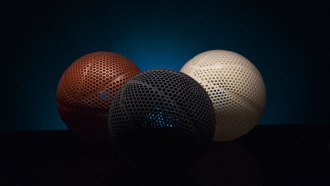
Wilson’s 3-D printed “airless” basketball is nearly silent and will never deflate, but will it prove a slam dunk for players and fans?
Three grand-award winners each took home at least $50,000. Hundreds more teens shared more than $9 million in prizes at the international competition.
Microplastics made from fossil fuels take centuries to disappear. But the plant- and algae-based plastic can break down in weeks to months.
Inspired by Lego building blocks, the approach could enable design of adaptable tools to study how fluids move through very small spaces.
When dipped in indican and exposed to sunlight, yarn turns a deep blue. This process is more eco-friendly than the current denim dyeing method.
Scientists have been trying to understand and harness this material’s superpowers since its discovery in 2004.
DNA machines and protein-mimicking nanotech could replace broken machinery in cells or even lead to made-from-scratch synthetic life.
Researchers in Sweden coaxed wood to conduct electricity, then used it to make a climate-friendlier building block of electronics.
Offshore wind farms cost more than onshore ones. But their ability to make ‘green’ hydrogen and capture carbon dioxide could help this wind power pay off.