HS-PS2-6
Communicate scientific and technical information about why the molecular-level structure is important in the functioning of designed materials.
- Materials Science
This new fabric can ‘hear’ sounds or broadcast them
With special fibers that convert tiny vibrations to voltages, a new fabric senses sound. Someday, such fabrics could monitor the body or aid hearing.
- Materials Science
Let’s learn about the future of smart clothing
Researchers are fashioning new materials to make clothes more comfortable and convenient.
- Materials Science
Engineers borrow a tree’s cellulose to toughen new materials
Cellulose gives plants their strength. Engineers are turning this renewable, environmentally friendly resource into brand new materials.
- Life
Robots made of cells blur the line between creature and machine
Scientists are using living cells and tissue as building blocks to make robots. These new machines challenge ideas about robots and life itself.
- Chemistry
A disinfectant made from sawdust knocks out deadly microbes
It’s made by pressure-cooking sawdust and water, is cheap and easy to make — and could lead to greener cleaning products than chemicals used today.
- Archaeology
The earliest known pants are surprisingly modern — and comfy
This 3,000-year-old garment was not only stylish but also functional. By recreating it, scientists also unraveled its complex and multicultural origins.
- Chemistry
Scientists Say: Cellulose
Cellulose is an abundant natural polymer found in plants and algae. It’s used to make everything from paper to clothing.
- Earth
Scientists Say: Pollution
Pollution is any substance or form of energy released into the environment that is harmful to people or other living creatures.
- Chemistry
Clothes dryers may be a major source of airborne microplastics
Scientists thought washing machines were a leading contributor of microplastics. Now it appears dryers may be an even bigger problem.
- Materials Science
Let’s learn about glass
Unlike the atoms in other solids, the atoms in glass don’t exist in an orderly crystal structure. They’re more jumbled up, like the atoms inside liquids.
- Tech
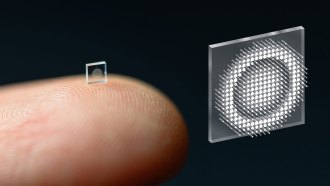
This crumb-sized camera uses artificial intelligence to get big results
Researchers have developed a camera the size of a coarse grain of salt that takes amazingly clear photos.
- Chemistry
Snail slime + gold could boost the power of sunscreens and more
These two strange ingredients could make skin-care products that are better for both our skin and the environment.