MS-LS2-2
Construct an explanation that predicts patterns of interactions among organisms across multiple ecosystems.
- Animals
Under blanket of ice, lakes teem with life
Life under frozen lakes is vibrant, complex and surprisingly active, new research finds. In fact, some plants and animals can only live under the ice. But with climate change, will that continue?
- Brain
What makes a pretty face?
Beautiful faces are symmetrical and average. Do we prefer them because this makes them easier for our brains to process?
- Genetics
New date for U.S. arrival of the AIDS virus
A new study shows that HIV started circulating at least a decade earlier than previously realized.
- Earth
Beaches can be a germy playground
Infectious microbes can flourish on sandy beaches. Scientists are now exploring how to find and monitor these hotspots for pollution that can make vacationers sick.
- Animals
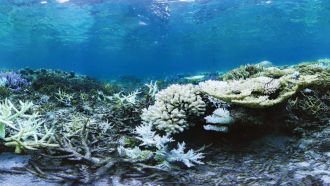
Creative ways to help coral reefs recover
Coral reefs are under siege from threats ranging from climate change to explosives. But scientists are developing ways to rebuild reefs before they disappear.
- Agriculture
Bananas under attack: Understanding their foes
Fungal blights threaten the world’s most popular fruit. But genetic studies hint at new ways to combat some of these diseases.
- Plants
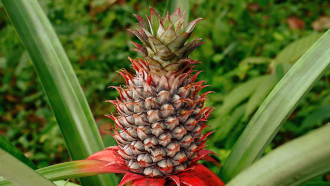
Scientists Say: Bromeliad
Bromeliads are plants with long spiky leaves. They are common houseplants, and we even see one in the grocery store — the pineapple.
- Health & Medicine
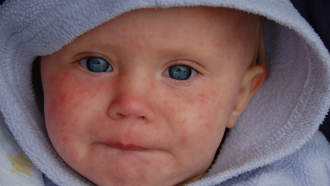
Measles in the Americas: Going, going — gone!
The Americas have at last shed a major childhood scourge: measles. The viral infection used to kill hundreds of children each year. Now the hemisphere only sees cases spread by travelers.
- Health & Medicine
Zebra finches can ‘drink’ water from their own fat
When water is scarce, thirsty zebra finches can produce their own water. They do it by breaking down their body fat.
- Animals
Cool Jobs: Linking animal health to human health
Scientists who watch out for diseases in wild animals also can play a role in keeping people from getting sick.
- Microbes
Staph infections? The nose knows how to fight them
Bacteria living in some people’s noses make a compound that could help fight a nasty type of infection that laughs at other antibiotics.
- Ecosystems
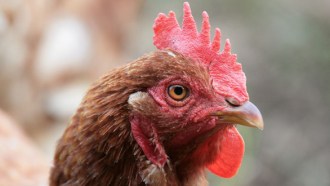
Will chicken cologne guard you from malaria?
Mosquitoes that carry malaria are repelled by the smell of chickens. In malaria country, that could make these birds a human’s best friend.