MS-LS2-3
Develop a model to describe the cycling of matter and flow of energy among living and nonliving parts of an ecosystem.
- Agriculture
Teen converts water pollutant into a plant fertilizer
Too much phosphate can fuel algal growth, which can rob oxygen from the water. This can suffocate fish and other wildlife. Stefan Wan found a way to collect that pollutant, which can later be used as a farm nutrient.
- Computing
Germs power new paper batteries
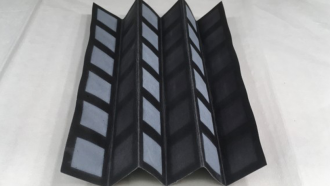
New paper-based batteries rely on bacteria to generate electricity. These ‘papertronic’ power systems may be a safer choice for remote sites or dangerous environments.
- Microbes
Giant cave crystals may be home to 50,000-year-old microbes
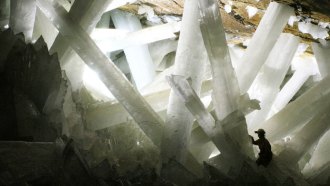
Microbes trapped in crystals in Mexico's Naica mine may represent some of the most distinct life forms ever found. The microbes have remained dormant for up to 50,000 years.
- Computing
Wired and weird: Meet the cyborg plants
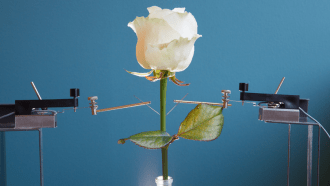
By mixing electronics with greenery, engineers have made plants that conduct electricity, detect bombs and send email.
- Ecosystems
Underwater meadows appear to fight ocean germs
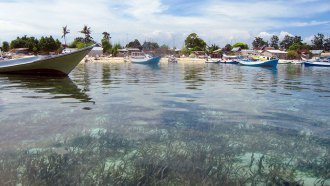
The seagrasses that sway in coastal currents are more than aquatic groundcover. They can reduce harmful bacteria that might otherwise sicken neighboring animals, new data show.
- Animals
Under blanket of ice, lakes teem with life
Life under frozen lakes is vibrant, complex and surprisingly active, new research finds. In fact, some plants and animals can only live under the ice. But with climate change, will that continue?
- Agriculture
World’s tallest corn towers nearly 14 meters
Short nights and a genetic tweak helped novel corn reach record heights.
- Animals
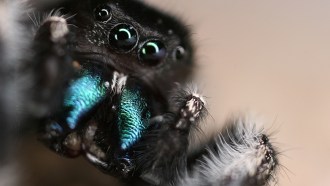
Spidey sense: They can hear you!
Surprise! At least some spiders can hear us. Even without eardrums, jumping spiders can still detect airborne sounds from across the room.
- Earth
Beaches can be a germy playground
Infectious microbes can flourish on sandy beaches. Scientists are now exploring how to find and monitor these hotspots for pollution that can make vacationers sick.
- Animals
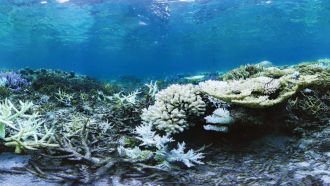
Creative ways to help coral reefs recover
Coral reefs are under siege from threats ranging from climate change to explosives. But scientists are developing ways to rebuild reefs before they disappear.
- Earth
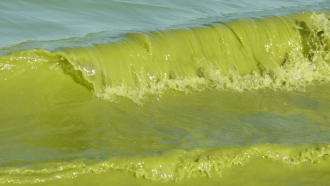
Water sensor quickly detects algal poison
A new sensor can detect poisons from harmful algae within minutes so that drinking-water plants can start timely treatments.
- Animals
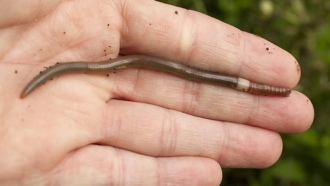
Earthworms: Can these gardeners’ friends actually become foes?
Asian jumping worms can strip leaf litter from floor of U.S. forests, new data show. Many native plants need that leaf litter for their seeds to germinate.