Archaeology
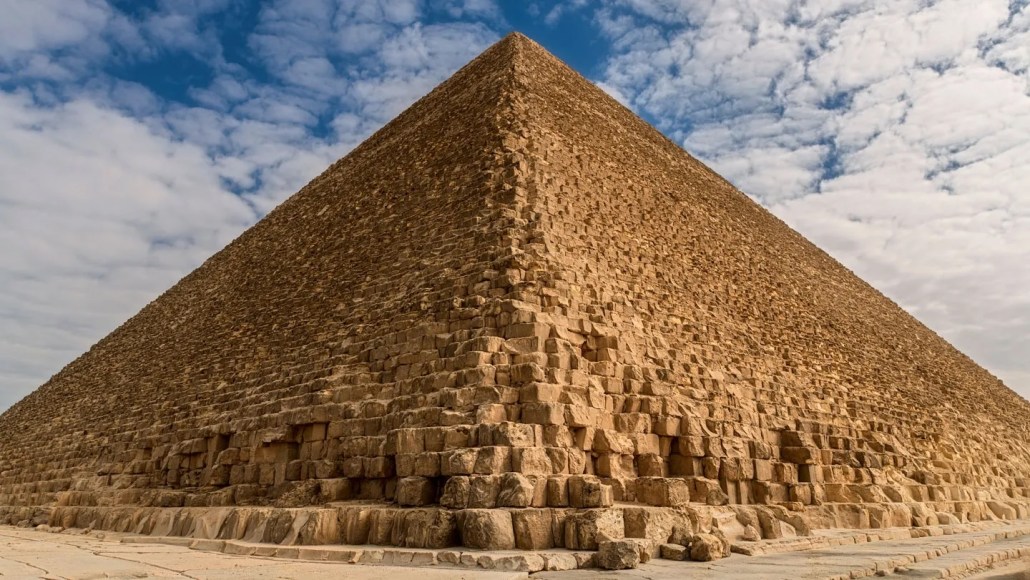
Mystery solved: Why earthquakes haven’t wrecked Egypt’s Great Pyramid
Its materials, shape and internal design have helped this ancient wonder withstand strong shaking.
By Skyler Ware
Scientists thought they knew what was behind rose petals’ geometry. They were wrong.
The effects of static electricity are all around us — from lightning strikes to clothes clinging together out of the drier. But scientists still don’t fully understand this phenomenon.
Friction between loops of yarn give knit fabrics their ability to take on a variety of shapes.
This ambipolar electric field is weak. Yet it’s still strong enough to control the evolution of Earth’s upper atmosphere — and maybe life as we know it.
Unlike solar power, this new source of electricity is available day or night.
A pole is either of two opposite ends of a molecule, magnet, battery, planet or other object.
The northern and southern lights are considered natural wonders of the world. Here’s how these and related splendid sky glows form.
On TV, people in space walk around like they’re on Earth. How can science give real astronauts artificial gravity? Spin right round, baby.
A toy called a light mill inspired researchers to invent a new way to fly. They’re using light to levitate small nanotube-coated discs.