Waves and Their Applications in Technologies for Information Transfer
- Animals
Jumping ‘snake worms’ are invading U.S. forests
These bad-news invaders are spreading across the United States. As they turn forest debris into bare ground, soils and ecosystems are changing.
- Chemistry
Ordinary paper turns into flexible human-powered keypad
Engineers have figured out how to turn sheets of paper into rugged, low-cost electronic devices, such as a computer keypad.
- Animals
When physicians and veterinarians team up, all species benefit
When doctors for people and those for animals share their expertise, they can discover new ways to take better medical care of all species.
- Animals
Here’s what bats ‘see’ when they explore the world with sound
High-speed cameras, fancy microphones and slick software are helping scientists get the best look yet at what bats perceive through echolocation.
- Materials Science
‘Frozen smoke’ could protect electronics from annoying static
A fluffy material made from cellulose nanofibers and silver nanowires can protect electronic devices by blocking more than 99.99 percent of disrupting interference, a new study reveals.
- Climate
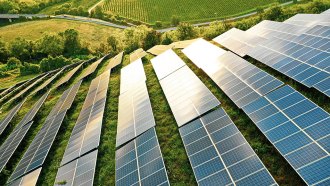
Let’s learn about solar power
Solar power is a way to harness energy from the sun, and lessen our reliance on fossil fuels.
- Health & Medicine
Surviving Mars missions will take planning and lots of innovation
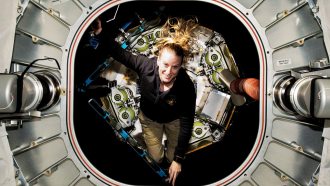
Astronauts that go to Mars will need protection from microgravity and radiation, plus mini-medical devices to diagnose problems and manage emergencies.
- Agriculture
Student scientists work to help all of us survive a warmer world
From glaciers in the refrigerator to a rover in the field, here’s how young scientists are looking to help us adapt to climate change.
- Environment
Batteries not included: This Game Boy look-alike doesn’t need them
Game Boy revolutionized the gaming industry. A newer version could help slow the rate of climate change.
- Climate
Changing climates can take cooling tips from warm regions
When summer heat waves hit northern cities, people might look to keep cool using tropical building strategies — and forgotten architectural wisdom.
- Brain
Confidence can make you miss important information
Being confident can feed a confirmation bias in us, new studies show. This bias can make your brain ignore other people’s ideas and any conflicting information.
- Archaeology
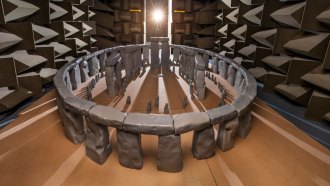
Stonehenge enhanced voices and music within the stone ring
Scientists built a 'Stonehenge Lego' model in a sound chamber to study how sound would have behaved in the ancient stone circle.