Agriculture
Scientists Say: Corn Sweat
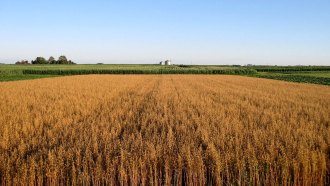
Cornfields release moisture into the air — or “sweat” — a couple of ways. One is evaporation. The other is transpiration.
Juan Espinoza engineered a device to help ease physical demands on workers at citrus farms.
Five compounds make some chili peppers taste less spicy than others. Scientists are still figuring out why.
Agriculture contributes to climate change. But changes to how farms manage soil might help remove carbon and other greenhouse gases from the air.
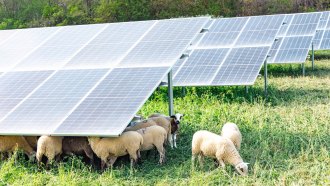
This win-win technology means future farmers may produce both food and electricity.
Agrivoltaics merges agriculture with photovoltaic panels, which generate electricity from sunlight. The combo produces clean energy and edible crops.
Plants are already the best carbon catchers on Earth. New research could make them even better.
But how useful this is depends on whether cows eat the red algae, a type of seaweed — or it gets added to their wastes after they’re pooped out.
Microplastics in the soil hinder plant growth. But two finalists at Regeneron ISEF found that fungi and farm waste can reduce the harm.
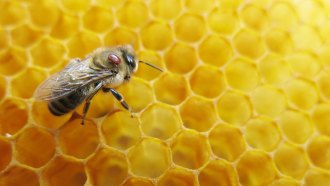
At Regeneron ISEF, three teens debuted an infrared system to detect honeybees carrying mites. It can show beekeepers when a colony needs to be treated.