Animals
- Animals
A new drug mix helps frogs regrow amputated legs
The treatment helped frogs grow working limbs useful for swimming, standing and kicking. It’ll be a while before people can do that.
- Animals
Bees and butterflies struggle to find flowers in polluted air
Emissions from cars and trucks make it harder for insects to find flowers. That in turn reduces flower visits and pollination, a new study finds.
- Animals
See the world through a jumping spider’s eyes — and other senses
Scientists are teasing out the many ways the spiders’ vision, listening and taste senses differ from ours
- Animals
Goldfish driving ‘cars’ offer new insight into navigation
Fishes’ internal sense of direction is not limited to their natural environment. The latest Wild Things cartoon from Science News for Students.
- Animals
Mysterious kunga is the oldest known human-bred hybrid animal
People bred these animals — part donkey, part wild ass — some 4,500 years ago, probably for use in fighting wars.
- Animals
DNA in air can help ID unseen animals nearby
Analyzing these genetic residues in air offers a new way to study animals. It could give scientists a chance to monitor rare or hard to find animals.
- Animals
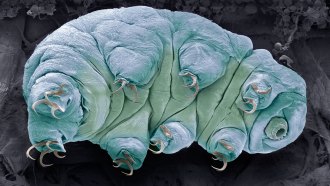
Living mysteries: Why teeny-weeny tardigrades are tough as nails
Tardigrades often live in cool, damp moss. Their cushy life has somehow prepared them to survive the lethal radiation of outer space.
- Animals
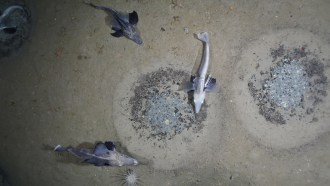
World’s biggest colony of nesting fish lives beneath Antarctic ice
Totally unexpected, it’s far, far larger than any other known community of nesting fish — fully one-third larger than the area of Washington, D.C.
- Animals
Explainer: What is an invasive species?
These foreign organisms hitchhike, spread widely and stir up trouble in native ecosystems.
- Animals
Rewilding returns lost species to strengthen ecosystems
Restoring the missing species can help undo human-caused problems by aiding forests, slowing climate change and reducing wildfires.
- Animals
Scientists discover the first true millipede
The newfound deep-living species tunnels belowground using a whopping 1,306 legs!
- Animals
Let’s learn about snot
For humans, snot plays a key role in fighting off diseases. Other animals have found different uses for the slimy stuff.