Climate
- Climate
A rainforest once grew near the South Pole
A forest flourished within 1,000 kilometers of the South Pole. That was a while ago, as in millions of years ago.
- Physics
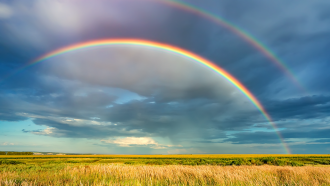
Explainer: Rainbows, fogbows and their eerie cousins
Light shining through a water droplet can make more than just a rainbow. A range of other colorful arcs also can develop.
- Climate
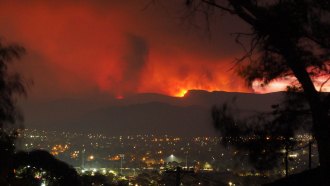
Climate change drove Australian wildfires to extremes
Australia’s devastating 2019–2020 wildfires were at least 30 percent more likely because of human-caused climate change.
- Climate
How to curb the climate heating by contrails
Contrails are narrow clouds left behind in the sky by jets. They add to climate change. But a new study suggests a way to curb their contribution.
- Climate
Scientists Say: Meteorology
This word describes the study of processes in the Earth’s atmosphere, including the weather.
- Climate
Study appears to rule out volcanic burps as causing dino die-offs
New data on when massive volcanic eruptions happened do not match when the dinosaur mass extinction took place.
- Climate
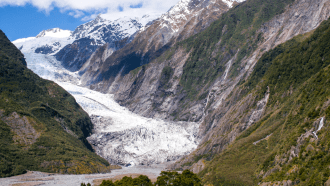
Scientists Say: Glacier
Glaciers are massive ‘rivers of ice’ that move slowly over land. But climate change is shrinking them.
- Climate
This scientist wants to motivate you to fight climate change
Getting lost in science fiction helps Shahzeen Attari reimagine what our future could look like.
- Animals
Australian fires have imperiled up to 100 species
As massive wildfires consume huge swaths of Australia’s bush, untold species — many of them found nowhere else — are now threatened with extinction.
- Climate
5 things to know about the climate-saving benefits of tree planting
A recent analysis of the benefits of massive efforts to plant more trees triggered a firestorm of controversy.
- Climate
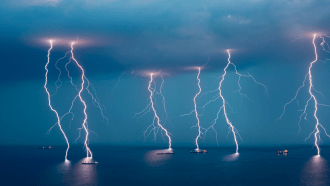
Hotspots found for lightning’s superbolts
A nine-year survey reveals where and when the most energetic lightning strikes — and it’s not what scientists expected.
- Climate
Powerful storms may be causing ‘stormquakes’ offshore
A perfect-storm mixture of hurricane, ocean and seafloor structures can create distinct seismic signals that have now been named ‘stormquakes.’