Ecosystems
- Agriculture
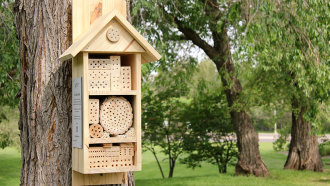
Bee hotels are open for business
Bee hotels are creating a buzz in conservation and research by offering nesting places for wild bees.
- Climate
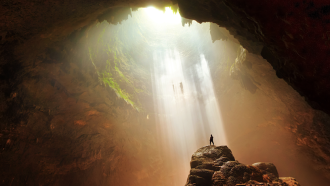
Cool Jobs: Bringing caves’ dark secrets to light
These three cave researchers study caves to learn more about climate, geology and organisms that can survive some of Earth’s most hostile environments.
- Ecosystems
Camera catches new fish species — as it’s eaten!
A video of a lionfish eating a new-found species of fish raises concerns about the threat lionfish pose to undiscovered species in deep reefs.
- Animals
Underwater robot vacuums up lionfish
Lionfish damage coral reefs in the Atlantic Ocean. A new underwater robot hunts, stuns and captures the bullies with help from a human operator.
- Ecosystems
Cities drive animals and plants to evolve
Biologists are finding that some species have used genetic changes to evolve — adapt — to the pollution and other stressors that they encounter in cities.
- Ecosystems
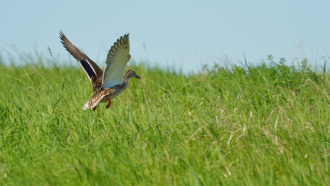
America’s duck lands: These ‘potholes’ are under threat
North America’s prairies are in trouble. Scientists race against the clock for clues about how to save the plants — and animals — that call it home.
- Ecosystems
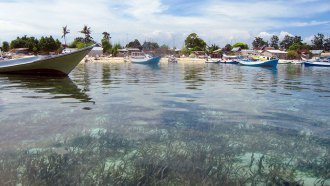
Underwater meadows appear to fight ocean germs
The seagrasses that sway in coastal currents are more than aquatic groundcover. They can reduce harmful bacteria that might otherwise sicken neighboring animals, new data show.
- Animals
Under blanket of ice, lakes teem with life
Life under frozen lakes is vibrant, complex and surprisingly active, new research finds. In fact, some plants and animals can only live under the ice. But with climate change, will that continue?
- Animals
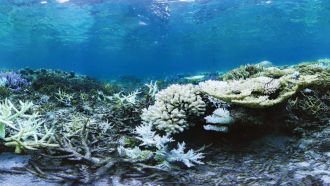
Creative ways to help coral reefs recover
Coral reefs are under siege from threats ranging from climate change to explosives. But scientists are developing ways to rebuild reefs before they disappear.
- Animals
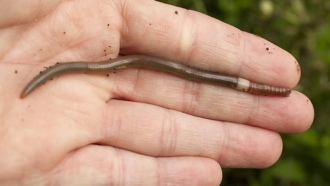
Earthworms: Can these gardeners’ friends actually become foes?
Asian jumping worms can strip leaf litter from floor of U.S. forests, new data show. Many native plants need that leaf litter for their seeds to germinate.
- Ecosystems
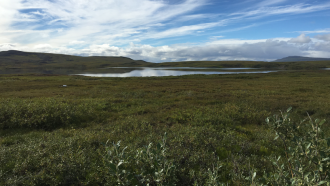
Scientists Say: Tundra
A tundra is an ecosystem found in Earth’s far north. It has a layer of soil deep underground that remains frozen — sometimes for thousands of years. But the top layer thaws in the summer, allowing plants to grow.
- Ecosystems
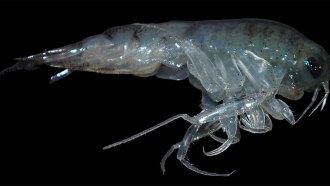
Algae embedded in sea ice drive the Arctic food web
Scientists traced where zooplankton in the Arctic get their energy from. Many open ocean species rely on algae found in sea ice, which is disappearing.