Materials Science
- Materials Science
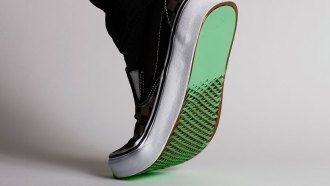
Shape-shifting cuts give shoes a better grip
With pop-out structures inspired by kirigami and animals, a shoe sole goes from flat to spiky to boost friction on slippery surfaces such as ice.
- Chemistry
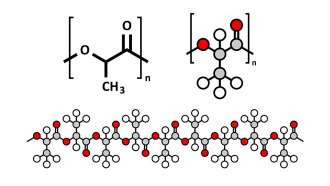
Scientists Say: Polymer
Polymers can be natural or man-made, but they are all big molecules made up of smaller units linked together.
- Materials Science
Silk-based microneedles may help treat diseased plants
Engineers have invented silk microneedles to inject medicines into plants. One day farmers might use drones to dart their sick plants with meds from the air.
- Materials Science
Astronauts may be able to make cement with their own pee
Lunar dust and a compound found in urine might one day be used to build future dwellings on the moon, a new study finds.
- Materials Science
Micro-barbs could make shots less painful
A new type of microneedle design might take the sting out of shots and stick to the skin better than other approaches.
- Environment
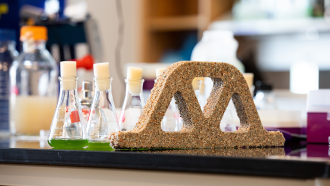
This ‘living’ concrete slurps up a greenhouse gas
Microbes help harden a mix of sand and gelatin into a living concrete that could interact with people and the environment in great new ways.
- Environment
Here’s one way to harvest water right out of the air
Need water but you have no access to rain, lakes or groundwater? Materials known as metal-organic frameworks could be used to slurp that water from the air, new data show.
- Chemistry
Batteries should not burst into flames
Because lithium-ion batteries power modern life, they need to store a lot of energy. Now scientists are focusing on making them safer.
- Health & Medicine
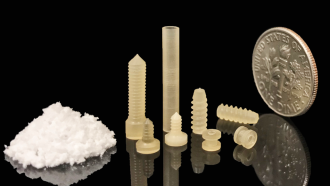
Silk can be molded into strong medical implants
Freeze-dried and powdered silk has a long shelf life. It also is cheap to ship and can be molded into sturdy medical implants.
- Chemistry
Converting trash to valuable graphene in a flash
Flash heating of carbon-rich wastes creates graphene, which has many commercial uses.
- Materials Science
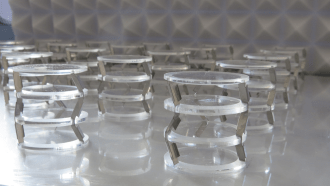
New twist can hush — even cloak — some sounds
Swiss engineers developed clear, spiral structures to make a new sound-dampening system. Those twists block some vibrations and lets others through.
- Materials Science
Here’s how to hide some objects from heat-sensing cameras
A special coating that conceals temperature information from heat-detecting cameras might someday be used as a privacy shield.