Materials Science
- Chemistry
Bye-bye batteries? Power a phone with fabric or a beacon with sound
New piezoelectric systems produce electricity in unusual ways, such as when a certain nylon bends or underwater ceramics vibrate.
- Chemistry
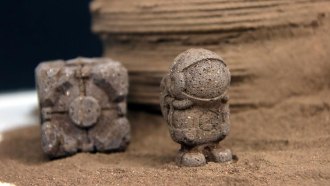
A soil-based ‘concrete’ could make buildings green, even on Mars
A new soil-based material offers an alternative to concrete for 3-D printing environmentally friendly buildings.
- Chemistry
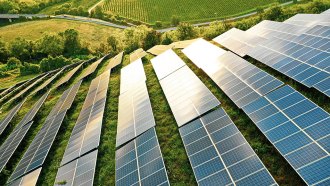
Flexible devices may help clothes solar power your screens
A fluorescent polymer duo boosts the efficiency of solar cells. One day this material may coat your jacket, hat or backpack to provide power on the go.
- Chemistry
Here’s how to make flip-flops biodegradable
Innovative flip-flops made from an algae-based plastic decompose in soil or compost. The comfy shoes also avoid use of fossil fuels.
- Animals
The diabolical ironclad beetle is nearly unsquishable
The diabolical ironclad beetle is an incredibly tough little creature. A peek inside its exoskeleton reveals what makes it virtually uncrushable.
- Materials Science
This artificial skin feels ‘ghosts’ — things you wish were there
Engineers have developed a wearable device that simulates the sense of touch. It may benefit robotic surgery and deep-sea exploration.
- Materials Science
Analyze This: Insect shells could help builders on Mars
When mixed with rocky soil, a compound called chitin makes a strong material. It could be pulled from the shells of insects used for food.
- Materials Science
‘Frozen smoke’ could protect electronics from annoying static
A fluffy material made from cellulose nanofibers and silver nanowires can protect electronic devices by blocking more than 99.99 percent of disrupting interference, a new study reveals.
- Climate
Let’s learn about solar power
Solar power is a way to harness energy from the sun, and lessen our reliance on fossil fuels.
- Chemistry
How to recycle ‘nonrecyclable’ plastics
A new process can convert some nonrecyclable plastics into a type that now can be reused. That could greatly cut down on wastes sent to landfills.
- Materials Science
Will bacterial ‘wires’ one day power your phone?
An accidental discovery helps scientists generate electricity out of thin —but humid — air with bacteria-made protein nanowires.
- Chemistry
Let’s learn about batteries
Many things in our lives rely on batteries. Here’s how scientists are working to make new ones — and make existing batteries safer.