Physics
- Materials Science
How to make window ‘glass’ from wood
Scientists have come up with a way to make wood transparent. The new material could be used in everything from windows to packaging.
- Physics
Scientists Say: Frequency
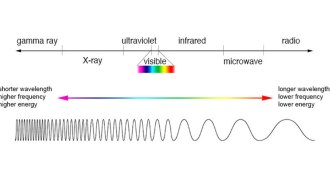
The distance between one wave peak and another is wavelength. But how fast those peaks are moving along is frequency.
- Materials Science
Sunlight + gold = steaming water (no boiling needed)
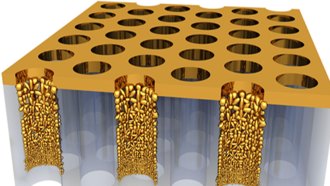
Nano-gold is the new black, at least when it comes to absorbing heat. When tiny gold particles get together, they become energy super-absorbers — turning them black.
- Physics
Scientists Say: Yottawatt
On Earth, scientists measure energy use in watts. When you have lot of those watts — one million billion billion — you have a yottawatt.
- Computing
Feeling objects that aren’t there
A new technology uses high-frequency sound waves to create virtual objects you can feel. Its uses include better video games and safer driving.
- Health & Medicine
Why Paralympic sprinters have trouble with curves
Whether an artificial leg is on the right or left side of the body may affect how fast runners can take a turn.
- Physics
Scientists Say: Wavelength
When something travels as a wave — such as light — scientists can measure it by its wavelength, the distances between the peaks.
- Chemistry
Smash hit: Making ‘diamond’ that’s harder than diamonds
Scientists had suspected extreme meteorite impacts might turn graphite into an unusual type of diamond. Now they’ve seen it happen — in under a nanosecond.
- Physics
Black hole smashup sent out ‘yottawatts’ of power
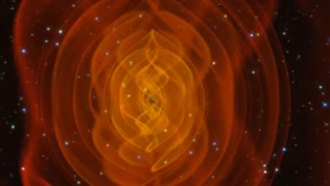
When two black holes collided, they released a lot of energy in gravity waves. How much? How about 36 septillion yottawatts of power!
- Physics
Scientists Say: Watt
Say Watt? This is a unit used to measure the flow of energy being used.
- Animals
Less brilliant flowers still keep bees coming back
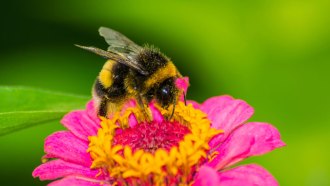
Bumblebees prefer petals that aren’t overly shimmery. This suggests plants are attuned to what insects see.
- Physics
Scrubbing bubbles: Secret to ouch-free dental cleanings?
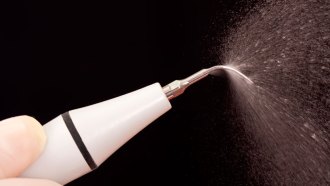
People with sensitive teeth can find routine dental cleanings painful. But bubbles might pave way to no-touch — and pain-free — cleaning for these people.