All Stories
- Space
The lives of black holes, from birth to death
After more than a century, scientists are just beginning to understand black holes — the most bizarre and powerful things in the universe.
- Physics
Exploding black holes could solve a big cosmic mystery
Tiny black holes in the early universe could explain why matter is common and antimatter is not.
- Health & Medicine
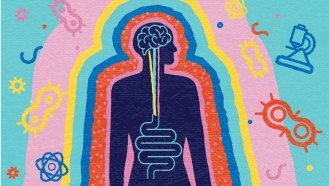
Positive thinking could help boost your immune system
With real-time feedback, people can learn to turn on a part of the brain that helps rev up the immune system, new data show.
- Tech
Pokémon Go players helped build new maps of cities
Players often upload pictures of landmarks. AI can use these to build a virtual 3-D model of a city, which robots might use like a map to navigate the real thing.
- Computing
Teen’s new app guards against the rise of villainous AI bots
Sometimes good chatbots and AI agents go rogue. A Regeneron ISEF finalist’s new app helps guard against bots developing dangerous personalities.
- Physics
Origami research takes top prize at 2026 Regeneron ISEF competition
The top three winners each won at least $80,000. Other teen finalists shared in more than $7 million in prizes at this international science fair.
- Life
Scientists Say: Spore
Patience is a virtue of these crafty, resilient little reproductive cells. Some bacterial spores have grown after lying dormant for a millennium.
- Animals
Physics explains how snakes climb and stand without limbs
Tree snakes can raise their body into the air without falling over. They keep their balance by bending their bodies close to their base.
- Artificial Intelligence
AI may be giving teens bad diet advice
The meal plans that AI made for fictional teens cut an entire meal’s worth of calories per day.
- Health & Medicine
How pitchers rest between innings could save their arms — and stats
Focusing on muscle recovery during games could help keep pitch speeds high and injury risk low, one ISEF finalist finds.
- Health & Medicine
6 surprising science-backed ways to beat the heat
From a new hairstyle or burst of mint to how you decorate your windows, these research-backed tips and tricks can help you beat the heat to stay cool all summer long.
- Plants
Perfect pitch? Scientists lay new grounds for World Cup ‘26
High-tech turfgrass carpets will be unrolled in 16 stadiums across North America — including five that must survive despite getting no natural sunlight.