Scientists Say
A weekly word defined, in a sentence and in context. Click here to find the alphabetized list.
- Climate
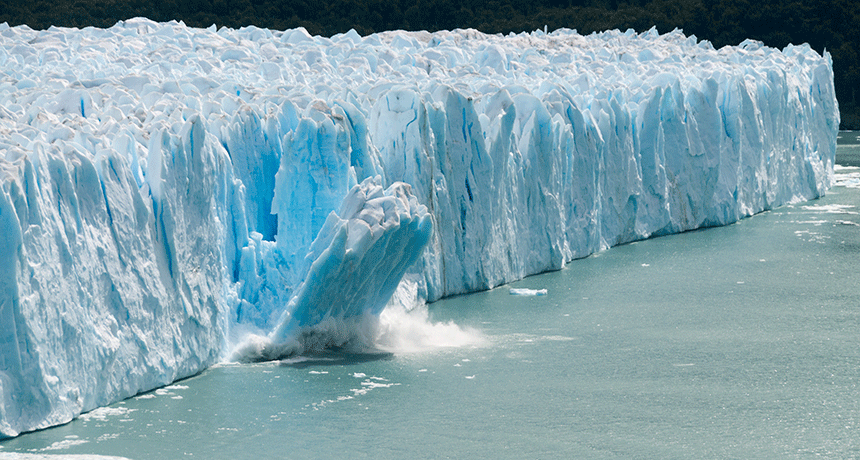
Scientists Say: Climate
Climate is the atmospheric conditions that are typical to a general area over a long period of time.
- Earth
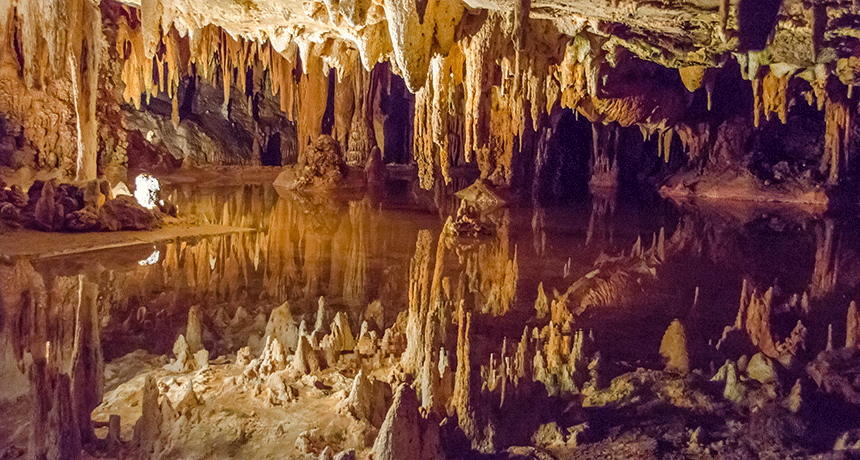
Scientists Say: Stalactite and stalagmite
Stalactites are mineral deposits forms on the ceilings of caves. Stalagmites are also mineral deposits, but they form on the floor of the cave.
- Animals
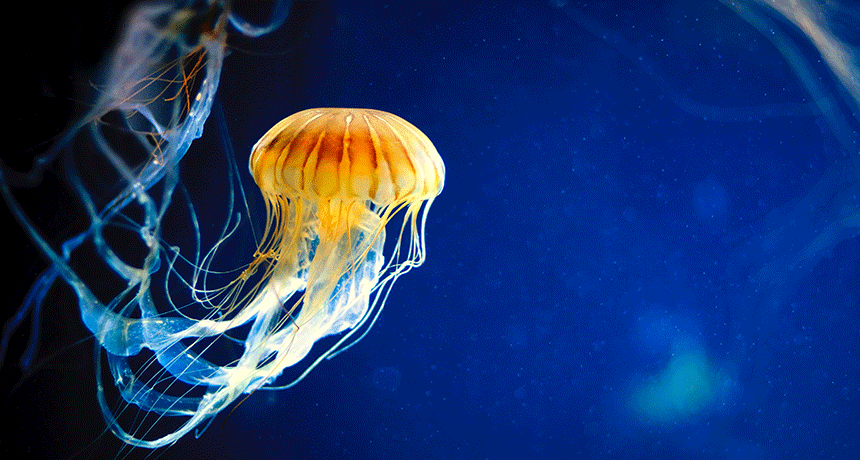
Scientists Say: Nematocyst
Nematocysts are special cells in some ocean critters, such as jellyfish, sea anenomes and corals. They have a barb coated in venom that shoots out at their prey.
- Health & Medicine
Scientists Say: Remission
Remission is a term used in medicine. It describes a disease that isn’t active anymore —whether it is cured or simply dormant.
- Physics
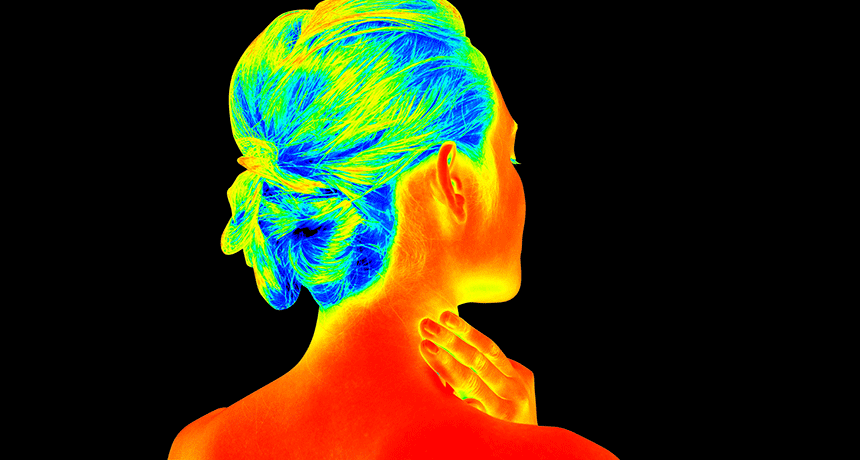
Scientists Say: Infrared
Infrared light belongs to a part of the spectrum that people can’t see. But this kind of light can be used to “see” the heat signatures of objects.
- Brain
Scientists Say: Ventral striatum
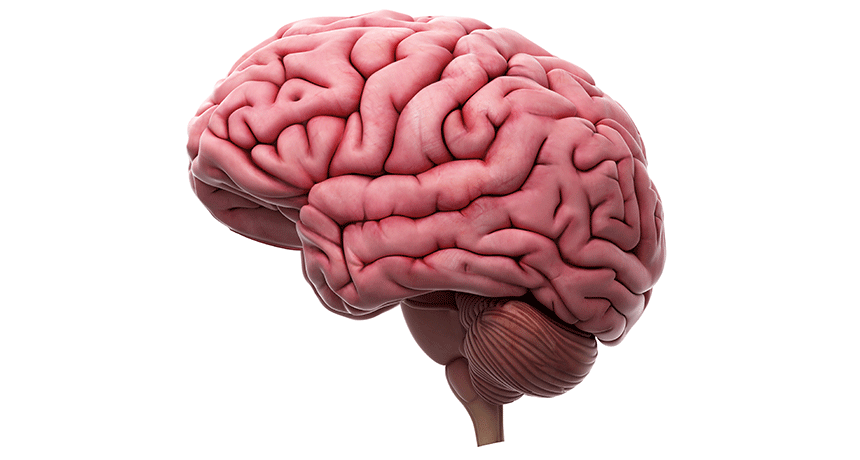
The ventral striatum is an area of the brain that plays an important role in mood, learning and addiction. It has a lot of dopamine, a chemical messenger.
- Earth
Scientists Say: Upwelling
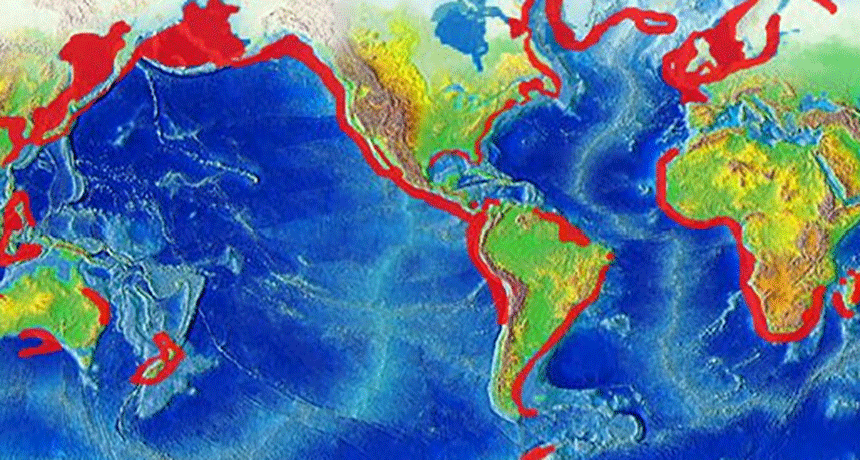
This is a process in which a substance rises and spreads out over something else. Upwelling happens in the ocean, inside the Earth and even in a planet’s atmosphere.
- Animals
Scientists Say: Krill
Krill are small crustaceans in the ocean. They are an important food source for other larger animals, and their tiny swimming motions can mix nutrients in the sea.
- Genetics
Scientists Say: Intron
These are sections of DNA that are trimmed out before the DNA is copied RNA and translated into protein. But they still have important jobs to do.
- Space
Scientists Say: Nebula
Nebulae are huge dust clouds in space. Some come from dying stars. Others are places where stars are born.
- Health & Medicine
Scientists Say: Melatonin
Levels of this hormone rise at night when we are asleep and drop during the day. This helps to control when we sleep and wake up.
- Animals
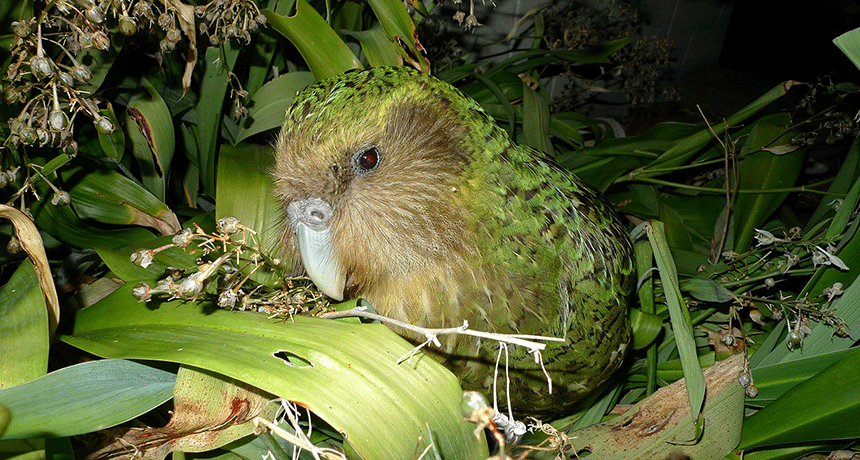
Scientists Say: Kakapo
This is a flightless parrot that lives in New Zealand. Unfortunately, there are only 154 of them left.