
All Stories by Bethany Brookshire
- Computing
Scientists Say: Radar
This is a system used to detect objects large and small. It works by sending out radio waves and waiting for them to bounce back.
-
Sage advice from scientists to students
Every scientist was a kid once. Here, they offer their advice to students on making their scientific careers a success.
- Animals
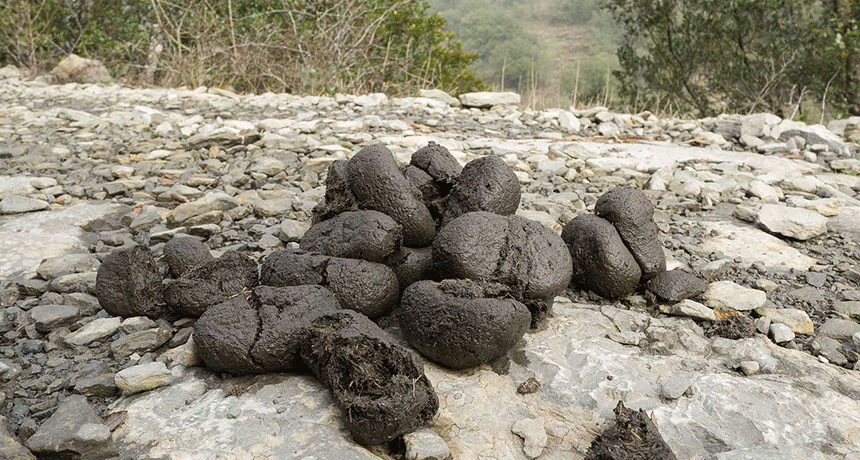
Scientists Say: Dung
This word is used to refer to animal poop. You know, manure. Crap. Feces.
- Science & Society
Explainer: The Nobel Prize
Every year, Nobel Prize winners are front page news for their discoveries. But what is a Nobel Prize and why does it matter? We explain.
- Physics
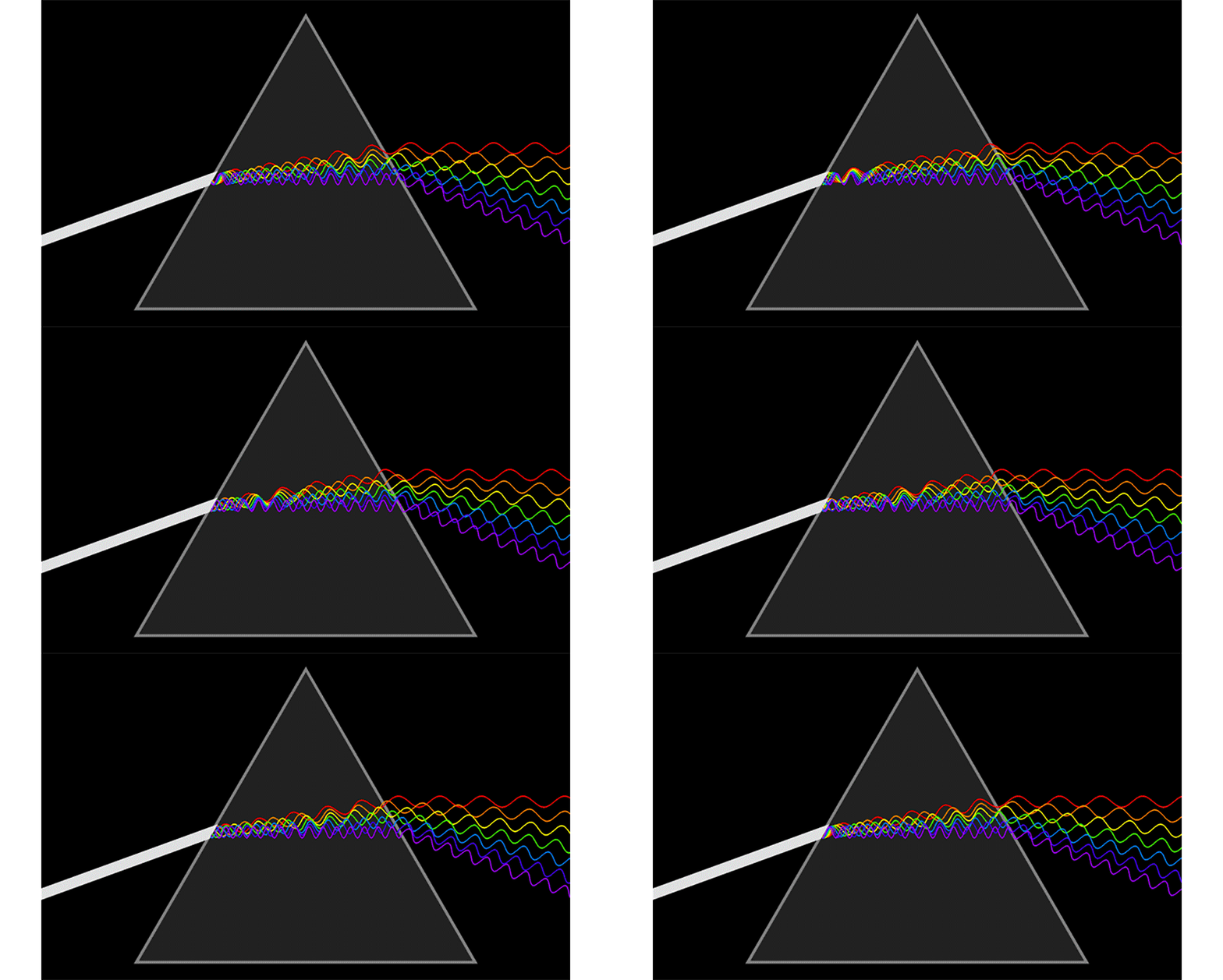
Scientists Say: Refraction
Light or sound may bend as it travels from one medium, such as air, to another, such as water. This bending is called refraction.
- Climate
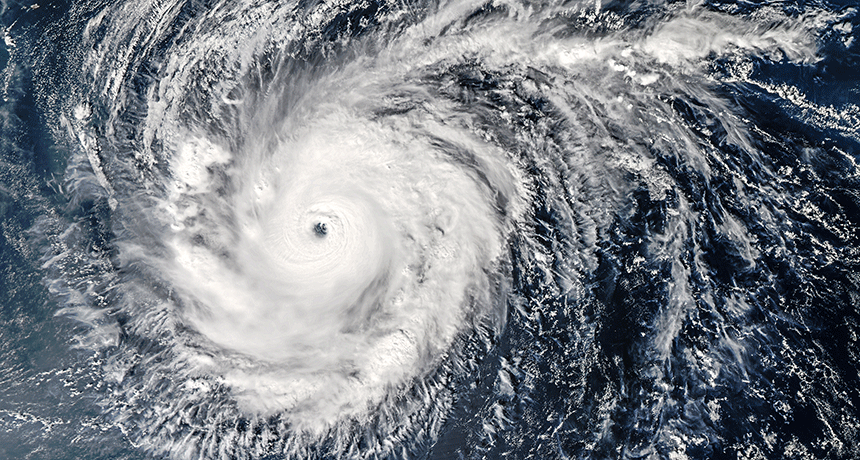
Scientists Say: Weather bomb
Weather doesn’t just affect the air. Huge storms can send waves of pressure through the Earth as well.
- Health & Medicine
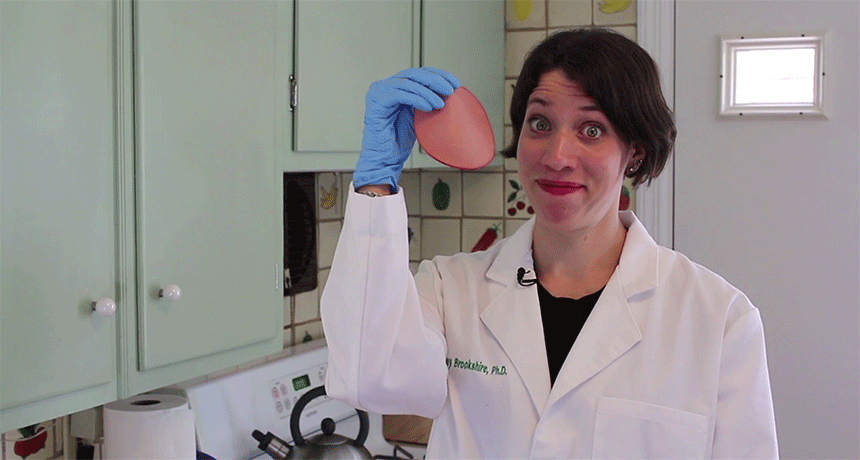
The five-second rule: Designing an experiment
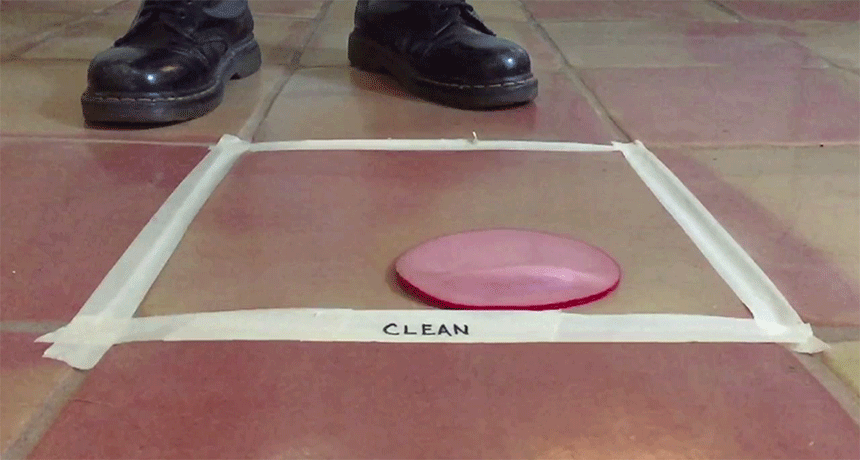
Is it true that food is still clean if it’s picked up off the floor before five seconds have passed? To find out, we designed an experiment to give us data.
- Health & Medicine
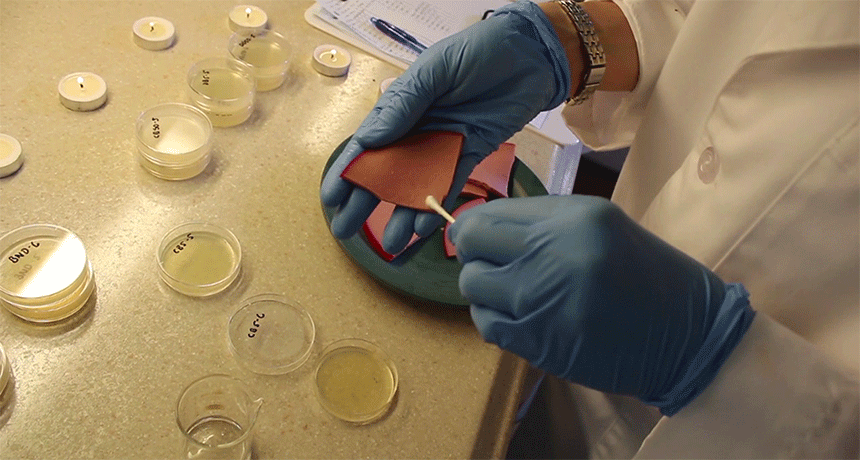
The five-second rule: Growing germs for science
Is it true that food dropped on the floor and picked up after five seconds is clean? To find out, we’re building an incubator and allowing any hitchhiking germs to grow.
- Health & Medicine
The five-second rule: Myth busted?
We’ve done an experiment to test the five-second rule. Now it’s time to analyze the data. Be forewarned: They’re not appetizing.
- Health & Medicine
The five-second rule: Microbes can’t count
A good scientific study compares results to what other scientists have done. These scientists have all debunked the five-second rule.
- Chemistry
Scientists Say: Capsaicin
This chemical is produced by pepper plants and gives them their hot flavor.
- Chemistry
Scientists Say: Graphene
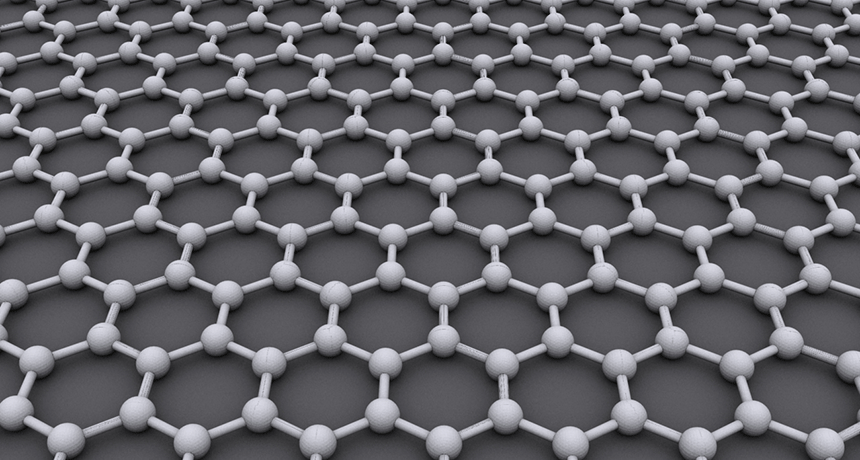
This is a single layer of carbon atoms, linked to each other in a flat sheet. It’s super strong, super flexible and conducts current, too.