From Molecules to Organisms: Structures and Processes
- Planets
Research on exoplanets took top award at 2023 Regeneron ISEF
Six young researchers took home the top awards, each valued at a minimum of $50,000. Hundreds more shared nearly $9 million in prizes at international event.
- Health & Medicine
New patch might replace some finger-prick testing of blood sugar
A finalist at Regeneron ISEF created a wearable patch that turns yellow when someone’s blood-sugar level gets high enough to need an insulin shot.
- Animals
Pokémon ‘evolution’ looks more like metamorphosis
Pokémon “evolve” into larger, more powerful forms within seconds, but this evolution more closely resembles another biological process — metamorphosis.
- Animals
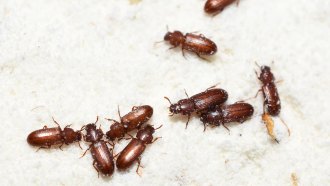
These beetles ‘drink’ water using their butts
Red flour beetles can survive in very dry environments. New research shows how the beetles can suck water from the air using their rear ends.
- Animals
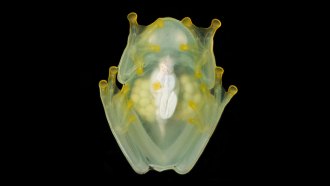
Sleeping glass frogs go into stealth mode by hiding red blood cells
Glass frogs snoozing among leaves blend in by hiding almost all their red blood cells in their liver.
- Health & Medicine
How to be heat-safe when playing sports
Protecting young athletes from overheating is getting more important as climate change turns up the temperature.
- Animals
This biologist uses microwave radiation to save endangered species
Pei-Chih Lee works to preserve genetic material that can help researchers learn more about endangered animals, such as pandas and clouded leopards.
- Environment
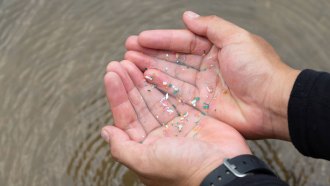
Sea life may suffer as plastic bits alter metals in water
This interplay between plastics and metals could affect how each affects the environment — and suggests opportunities for controlling their risks.
- Animals
Let’s learn about frogs
Frogs are a fascinating bunch of amphibians. Unfortunately, they’re also dying off in huge numbers.
-
These lemurs take nose-picking to a new level
A nose-picking aye-aye’s spindly middle digit probably pokes all the way into the back of the throat, CT scans show.
- Agriculture
Native Amazonians make rich soils — and ancient people may have too
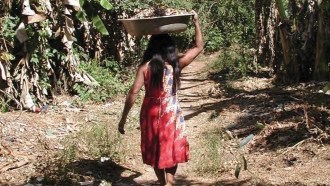
Modern Amazonians make nutrient-rich soil from ash, food scraps and burns. The soil strongly resembles ancient “dark earth” found in the region.
- Health & Medicine
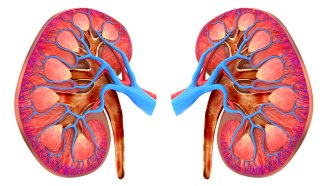
Scientists Say: Kidney
The kidneys remove waste and excess water from the blood, forming urine.