From Molecules to Organisms: Structures and Processes
- Health & Medicine
Snot Science: A snotty setup
We’ve got a video with a snotty experiment. Now we describe how you can do the same test yourself. Try it!
- Health & Medicine
Snot Science: Results are nothing to sneeze at
We tested a lot of snot, but now we need to figure out what our data mean. Here’s how to group and analyze our data.
- Health & Medicine
Scientists Say: Tinnitus
Ever had ringing in your ears? Tinnitus is a condition in which you hear a persistent sound that isn’t there.
- Agriculture
World’s tallest corn towers nearly 14 meters
Short nights and a genetic tweak helped novel corn reach record heights.
- Health & Medicine
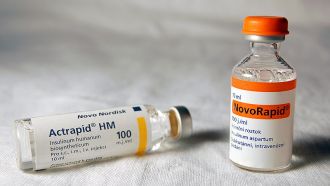
Scientists Say: Insulin
This chemical is a lifesaver. It helps our bodies use the sugars from our food, and without it, people develop diabetes.
- Health & Medicine
Outdoor time is good for your eyes
Being outdoors exposes children to bright light that can be good for their eyes. Spending just one extra daylight hour outdoors each week can substantially lower their chance of becoming nearsighted, a study finds.
- Animals
Food-like smell on plastic may lure seabirds to eat it
When plastic smells like supper, seabirds and other animals can be fooled into thinking it is food.
- Animals
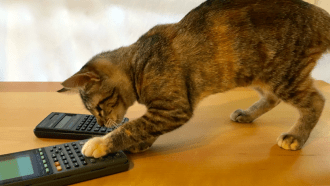
Animals can do ‘almost math’
Humans aren’t the only animals with a number sense. Scientists are trying to figure out where and when it evolved.
-
How not to grin and bear it
Three teen researchers who took part in this year’s Broadcom MASTERS competition seek to help those who clench and grind their teeth.
- Brain
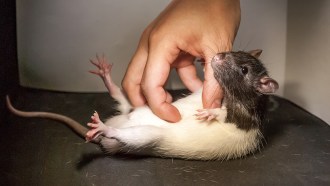
To reveal how the brain creates joy, start by tickling rats
Rats love a good tickle. Not only do they beg for more, but the action itself activates a part of the brain that detects touch, researchers find.
- Genetics
Scientists Say: eDNA
Animals may escape traps or nets, but they often leave DNA behind in their environment, giving scientists important clues.
- Brain
What makes a pretty face?
Beautiful faces are symmetrical and average. Do we prefer them because this makes them easier for our brains to process?