HS-LS3-3
Apply concepts of statistics and probability to explain the variation and distribution of expressed traits in a population.
- Animals
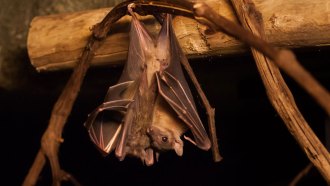
Immune arms-race in bats may make their viruses deadly to people
An overactive immune system may help bats avoid being sickened by many viruses. This may viruses becoming stronger — and deadlier — when they hit other species.
- Animals
Australian fires have imperiled up to 100 species
As massive wildfires consume huge swaths of Australia’s bush, untold species — many of them found nowhere else — are now threatened with extinction.
- Animals
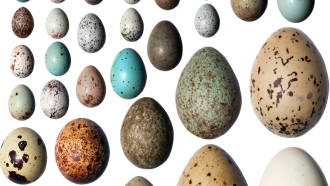
Why are bird eggs in cold climates darker colored?
A global survey of bird egg color has revealed a simple trend: the colder the climate, the darker the egg.
- Animals
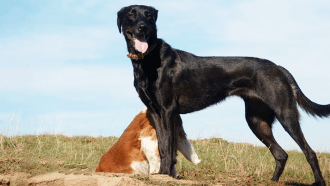
What we can — and can’t — learn from our pets’ DNA
Your dog or cat’s DNA is an open book. DNA tests tell people about their pet’s breed and attempt to predict things about its behavior and health.
- Genetics
Explainer: How DNA testing works
Lots of companies will now test DNA from people and their pets. How do these gene-sequencing techniques work? We explain.
- Genetics
Explainer: What are genes?
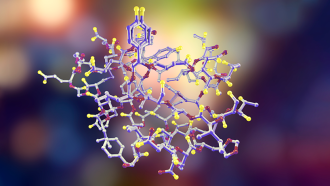
Genes are DNA regions that tell cells how to build proteins. But we have many more proteins than genes. And much of our DNA controls when genes turn on and off.
- Genetics
Your DNA is an open book — but can’t yet be fully read
There are many companies that offer to read your DNA. But be prepared: They cannot yet fulfill all those promises you read in their ads.
- Health & Medicine
Explainer: What is a hormone?
Various tissues secrete special chemicals, known as hormones. They travel, usually in blood, to a particular distant site where they tell certain cells it’s time to go to work.
- Genetics
Explainer: How CRISPR works
Scientists are using a tool called CRISPR to edit DNA in all types of cells.
- Genetics
Explainer: What is epigenetics?
Epigenetics is the study of molecular “switches” that turn genes on and off. Tweak those switches and there could be big health consequences.
- Animals
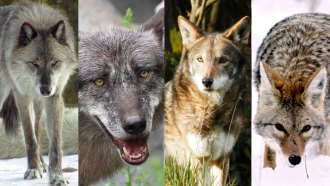
Wolf species shake-up
A genetic study says red wolves and eastern wolves may really be mixtures of coyotes and gray wolves, not distinct species.
- Animals
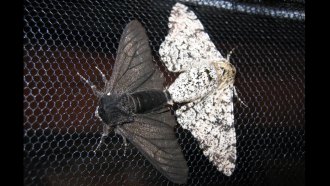
How a moth went to the dark side
Peppered moths and some butterflies are icons of evolution. Now scientists have found a gene responsible for making them so.