HS-PS1-5

Apply scientific principles and evidence to provide an explanation about the effects of changing the temperature or concentration of the reacting particles on the rate at which a reaction occurs.

More Stories in HS-PS1-5

  1. Chemistry

    Experiment: Keep your candy cool with the power of evaporation!

    In this science project, use the energy produced when water evaporates to cool down chocolate-covered candy so it doesn't melt.

    By
  2. Physics

    Explainer: What are the different states of matter?

    Most people know solids, liquids and gases — but what about the four other states of matter?

    By
  3. Animals

    Orb-weaving spiders use their webs like external eardrums

    Scientists discover that orb-weaving spiders listen with their legs, detecting sound vibrations that travel through their silken webs.

    By
  4. Chemistry

    Cellulose may keep ice cream from turning gritty in your freezer

    Adding nanocrystals extracted from wood avoids the growth of ice crystals, keeping your treat smooth and creamy.

    By
  5. Math

    Why some icicles become scallops not spikes

    The newfound — and at times quirky — shapes reflect the density of water surrounding submerged ice.

    By
  6. Chemistry

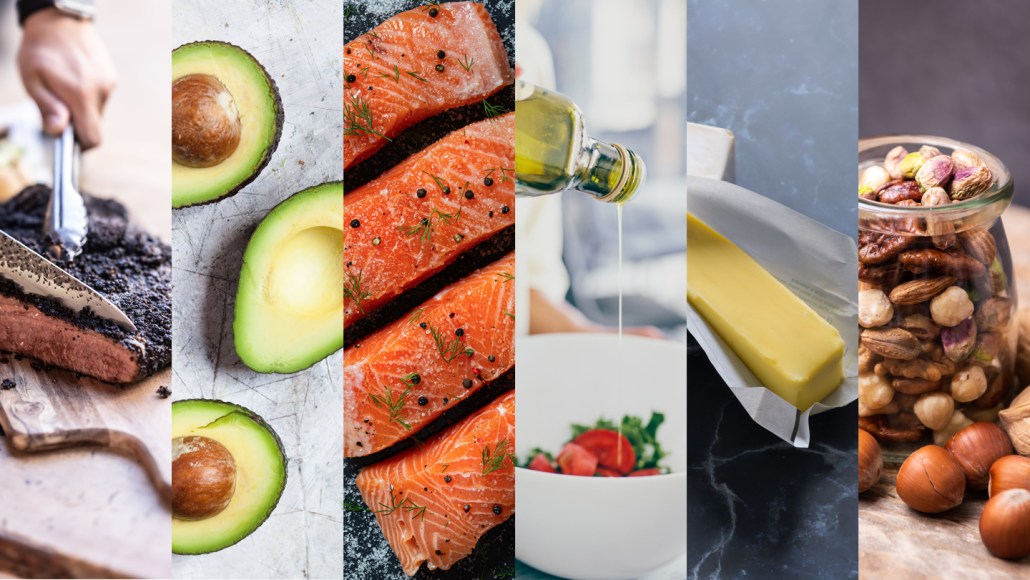
    Explainer: What are fats?

    A fat molecule's three long chains of carbon and hydrogen atoms repel water, stash energy and keep living things warm — even in the bitter cold.

    By
  7. Chemistry

    Study acid-base chemistry with at-home volcanoes

    Baking soda volcanoes are a fun demonstration, and with a few tweaks they can be an experiment, too

    By
  8. Physics

    The exotic ‘atom’ positronium surprises scientists

    New measurements of a weird but simple atom, one without a nucleus, suggest it may have unexpected properties. Scientists find this troubling.

    By
  9. Chemistry

    Build ice towers with bottled water and ice

    Pour out liquid water into a solid ice tower. We outline the conditions you’ll need to turn this demonstration into a super-cool experiment.

    By