Matter and Its Interactions
- Physics
Scientists Say: Entropy
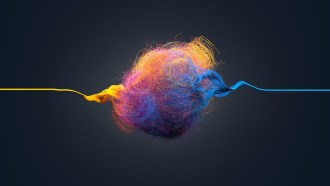
To understand the universe, we must look to entropy — the chaos engine of the cosmos.
- Tech
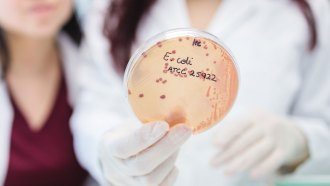
New light-activated coating can kill stubborn germs
Based on graphene, this new material can knock out hard-to-kill germs on contact — even in your mouth.
- Chemistry
Explainer: What is chirality?
Chiral molecules are mirror images of each other. They might not seem all that different — but can have drastically different effects in medicine, materials and more.
- Climate
As winters warm, athletes must cope with harder snow and tricky ice
Ice arenas and artificial snow now dominate the winter Olympics. Athletes there — and everywhere — may need to adjust how they train and perform.
- Animals
Radioactive animals don’t glow — but do show the power of radiation
Wild species exposed to nuclear contamination help show how radiation affects living things — including its risks to people.
- Environment
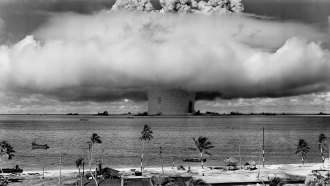
Nuclear weapons tests many decades ago have left a radioactive legacy
Decades of aboveground nuclear weapons tests, starting in the 1950s, lightly littered the planet with toxic fallout, which appears to have sickened some people.
- Materials Science
‘Stenciling’ tiny gold particles gives them new properties
Decorating nanoparticles with other chemicals could give them useful properties for medicines, textiles and more.
- Physics
Chopping an onion? Sharp knives can keep its juice out of your eyes
Slow and steady cuts with a sharp blade, video shows, can reduce the pain-inducing spray of tiny onion-juice droplets.
- Chemistry
New materials yank ‘forever chemicals’ from water
Materials known as metal-organic frameworks, or MOFs, trap some PFAS fast — and can be reused again and again.
- Microbes
Scientists Say: Microcin
Small and deadly (to bacteria), these protein-like molecules fight the growth of potentially dangerous germs in our gut.
- Microbes
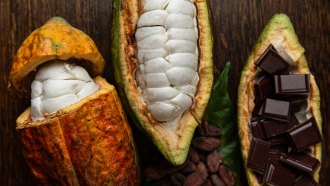
Thank microbes for chocolate’s tasty flavors
Cocoa beans matter, but yeast and bacteria may be the real secret to fine chocolate flavor.
- Chemistry
Structures that work like Hermione’s magic handbag land a chemistry Nobel
Richard Robson, Susumu Kitagawa and Omar Yaghi developed these metal-organic frameworks, which can trap pollutants, collect water from air and more.