MS-ETS1-1
Define the criteria and constraints of a design problem with sufficient precision to ensure a successful solution, taking into account relevant scientific principles and potential impacts on people and the natural environment that may limit possible solutions.
-
- Physics
These parachutes unfurl thanks to Japanese paper-cutting techniques
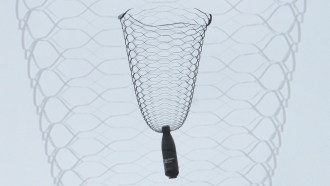
Parachutes inspired by Japanese kirigami are full of holes. When dropped, they open automatically and fall more predictably than standard parachutes.
- Animals
Liquid from African tulip trees may protect honeybees from pests
Liquid from the African tulip tree may keep ant invaders out of hives without harming honeybees.
- Artificial Intelligence
5 things to remember when talking to a chatbot
When using ChatGPT or other chatbots, remember your voice matters and watch out for flattery and hallucinations. And for important advice, ask real people.
- Health & Medicine
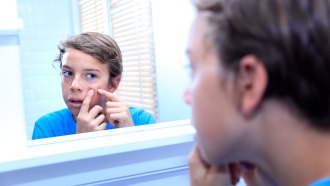
A little shape-up helps these pimple patches get a grip
These zit patches use some innovative geometry to anchor onto skin. This solves one problem that’s hindered other uses of microneedles for drug delivery.
- Chemistry
Let’s learn about surprising uses for human waste
Around the world, scientists are investigating ways to turn poop and pee into fertilizer, fuel and construction materials.
- Artificial Intelligence
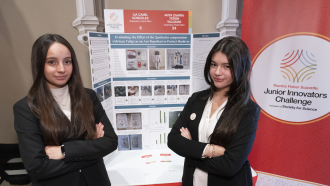
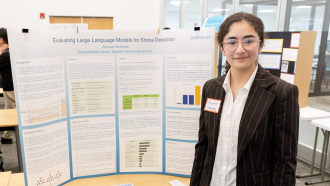
AI shouldn’t be trusted with your mental health, teen finds
Her research suggests that ChatGPT and similar AI systems are not suitable replacements for human therapists.
- Earth
Cities across the world are sinking. Here’s how they might rebound
Affected coastal cities tend to flood more often — a growing threat in this era of continuing sea level rise.
- Materials Science
Scientists transform pee into a golden opportunity
By transforming urine into a valuable medical product, scientists hope to change how we view this human waste.
- Tech
Lasers can eavesdrop on microbes, including viruses
They can sometimes identify not only the types, but also how many there are. One day, lasers might be able to keep track of what germs are around us.
- Physics
How polarized and UV-blocking sunglasses protect our eyes
Their filters can cut glare to help us see more clearly. The best ones also filter out the sun’s UV rays — even on cloudy days — to limit eye damage.
- Health & Medicine
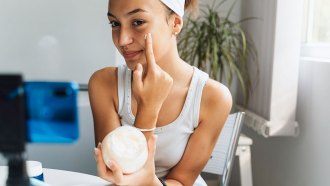
TikTok skincare routines may cause more harm than good
Many videos used lots of costly skincare products full of potential irritants. And most left out the most important way to care for your skin: sun protection.