MS-ETS1-3
Analyze data from tests to determine similarities and differences among several design solutions to identify the best characteristics of each that can be combined into a new solution to better meet the criteria for success.
- Tech
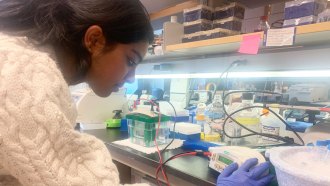
Bioelectronics research wins top award at 2024 Regeneron ISEF
Three grand-award winners each took home at least $50,000. Hundreds more teens shared more than $9 million in prizes at the international competition.
- Brain
Herbal medicine could help recovery after concussion
A finalist at Regeneron ISEF found that a plant native to China could supplement a common pain reliever that comes with unwanted side effects.
- Materials Science
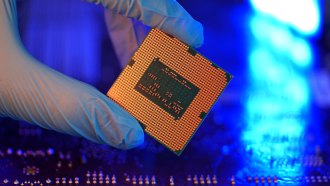
Scientists Say: Semiconductor
Modern electronics, from cell phones to video games, work thanks to these conductor-insulator hybrids.
- Health & Medicine
Family, friends and community inspired these high school scientists
When looking for research ideas, listen to the people around you. What problems are they facing? What could you do to help?
- Physics
Neutrons are unveiling hidden secrets of fossils and artifacts
Images made with these particles have revealed details of dinosaur bones, mummies and more.
- Climate
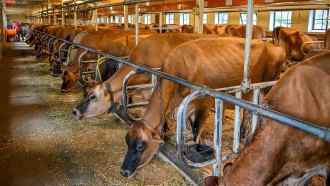
Chemists make device to destroy planet-warming methane pollution
It can slash diffuse sources of this extremely potent greenhouse gas, such as from livestock barns and other sites.
- Tech
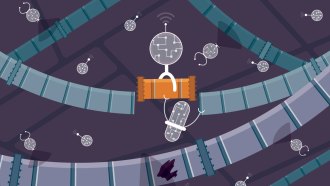
Synthetic biology aims to tackle disease and give cells superpowers
DNA machines and protein-mimicking nanotech could replace broken machinery in cells or even lead to made-from-scratch synthetic life.
- Environment
New ultrathin materials can pull climate-warming CO2 from the air
To slow global warming, we’ll need help from CO2-trapping materials. Enter MXenes. They’re strong and reactive — and they love to eat up CO2.
- Tech
Particles from tree waste could prevent fogged lenses, windshields
A new coating made from a renewable resource — water-loving nanoparticles made from wood — could keep glass surfaces fog-free.
- Tech
Bits of trees can make and store energy for us to use
This cellulose and lignin, two major building blocks of trees, could lead to greener electronics.
- Tech
Bionic plants and electric algae may usher in a greener future
Some can aid the climate by removing pollutants. Others would just avoid dirtying the environment in the first place.
- Tech
Engineers cook up a new way to tackle CO2: Make baking soda
Engineers have found a material that can collect carbon dioxide from the air. When later mixed with water, it forms baking soda that can be shed in the sea.