MS-LS1-2
Develop and use a model to describe the function of a cell as a whole and ways parts of cells contribute to the function.
- Microbes
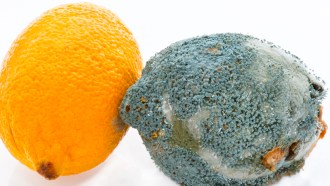
Explainer: Where antibiotics came from
A mold proved the source of the first known antibiotic: penicillin. But chemical dyes would lead to the first antibiotics used in treating people.
- Genetics
Newfound DNA ‘enhancer’ behind many natural blonds
Some snippets of DNA other than genes play a role in giving some people of European a golden crown of hair.
- Health & Medicine
Teen uncovers new weapons to stop Huntington’s disease
David Seong, an Intel Science Talent Search finalist, is studying how tiny pieces of genetic material might be used to lock up a dangerous protein in Huntington’s disease.
- Life
Explainer: What is a stem cell?
Special cells have ability to turn into several different types
- Brain
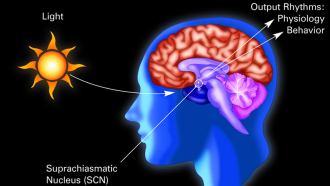
Explainer: Our bodies’ internal clocks
Biological clocks determine hunger, sleepiness and other daily rhythms.
- Brain
The teenage brain
Adolescence triggers brain — and behavioral — changes that few kids or adults understand.
-
- Health & Medicine
Fat weighs heavy on the brain
New study shows obesity interferes with memory, thinking and reasoning.
- Genetics
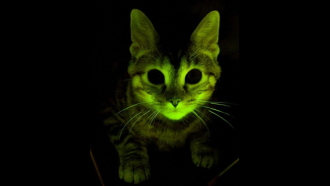
A butterfly’s new green glow
Scientists have tweaked a butterfly's genes to make its eyes glow green.