Animals
- Animals
Mice show their feelings on their faces
Pleasure, pain, fear and disgust — all can show on a mouse’s face. As computational analyses show, you just need to know what to look for.
- Animals
How to find the next pandemic virus before it finds us
Wild animals carry viruses that can sicken people. Monitoring those viral hosts that pose the greatest risk might help prevent a new pandemic.
- Animals
Lots of frogs and salamanders have a secret glow
A widespread ability to glow in brilliant colors could make amphibians easier to track down in the wild.
- Animals
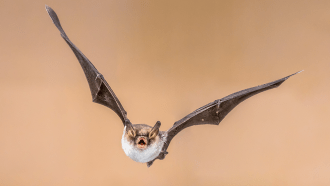
Scientists Say: Echolocation
This word describes a method that some animals use to sense their environments by making sounds and listening for their echoes.
- Animals
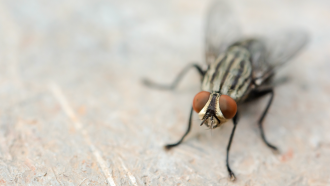
Let’s learn about the creepy crawlies in your home
From ants to spiders to crickets to bed bugs — a whole host of insects and other arthropods may be hanging out with you at home.
- Animals
Conservation is going to the dogs
Scientists are now training dogs to help track rare, elusive — and sometimes invasive — plants and animals.
- Animals
Try This: Walking on water with science
Water striders walk on water. How do they do it? They spread out. This experiment will show you how it works.
- Animals
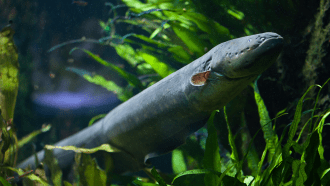
Let’s learn about electric eels
Learn about where an electric eel’s powerful jolt comes from and more with this collection of stories.
- Animals
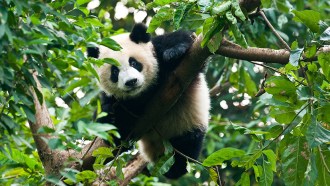
Pandas use their heads as a kind of extra limb for climbing
Their short legs on a stout bear body mean pandas use a rare technique to climb up a tree.
- Animals
Here’s how butterfly wings keep cool in the sun
Butterfly wings sport structures that let living tissues release more heat than the rest of the wing.
- Animals
What would it take to make a unicorn?
Onward’s dumpster-diving unicorns seem like an impossibility. But scientists have some ideas about how unicorns could become real.
- Animals
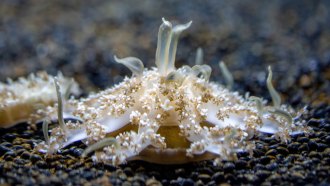
Ouch! Jellyfish snot can hurt people who never touch the animal
A goo shed by at least one species of upside-down jellyfish contains stinging cells. They can cause pain even to creatures that never touch the jelly.