Animals
- Animals
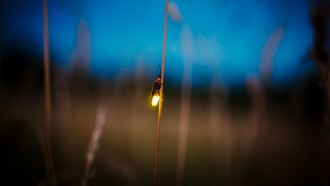
Let’s learn about bioluminescence
Some animals, bacteria and algae produce their own light. This bioluminescence can attract mates or protect from predators.
- Animals
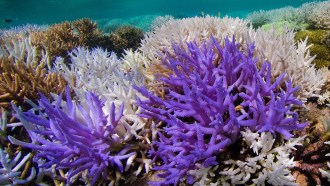
Going bright may help corals recover from bleaching
When some corals bleach, they turn neon colors. Flashy hues may be part of a response that helps these corals recover and reunite with their algae.
- Animals
Toxic germs on its skin make this newt deadly
Bacteria living on the skin of some rough-skinned newts make tetrodotoxin. This paralyzing poison is also found in pufferfish.
- Animals
Why you’re spotting more wildlife during COVID-19
People are seeing more animals than they did before the pandemic. There are many reasons why.
- Animals
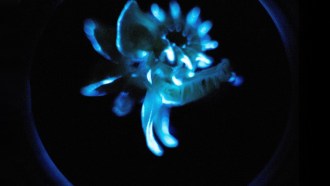
This tube worm’s glowing slime may help sustain its own shine
Snot oozed by a marine tube worm can glow for up to 3 full days. The secret of how this works might lead to long-lasting lights that glow on and on.
- Animals
#BlackBirdersWeek seeks to open the outdoors for everyone
The social media campaign #BlackBirdersWeek hopes to show the world the many black birders and nature lovers of color.
- Animals
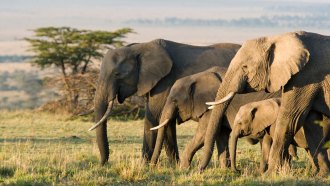
Why elephants and armadillos might easily get drunk
Stories of drunken elephants may not be a myth. Differences in a gene for breaking down alcohol could explain how they get tipsy.
- Animals
When prey get scarce, these jellies become cannibals
Invasive comb jellies may feast on their larvae if massive population booms in summer deplete their prey.
- Animals
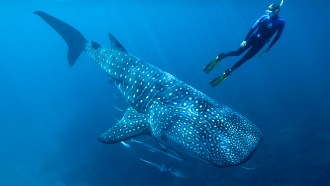
Traces from nuclear-weapons tests offer clues to whale sharks’ ages
Traces left by nuclear-bomb testing in the 1950s and ‘60s can help researchers learn how old a whale shark is.
- Animals
Let’s learn about domestic cats
Cats rule the internet — and many of our homes. To get here was a journey of many thousands of years.
- Animals
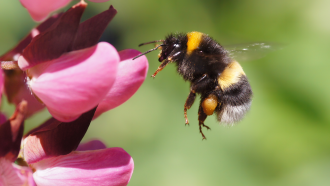
Pesticides can have long-term impact on bumblebee learning
Pesticide-laced nectar and pollen can permanently harm the brains of baby bumblebees.
- Animals
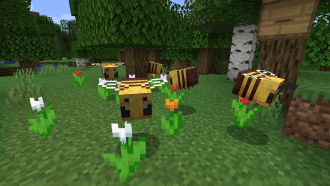
Minecraft’s big bees don’t exist, but giant insects once did
Big bees buzz in Minecraft. In our world, blocky bees might starve and be stuck on the ground. Yet long ago, giant insects did roam our planet.