Climate
- Climate
Under Antarctic ice, microbes gobble up greenhouse gas
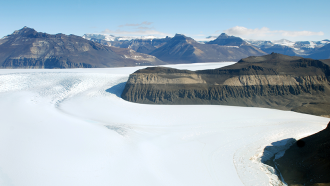
In a lake far beneath the Antarctic ice sheet, scientists have found bacteria that eat methane, a powerful greenhouse gas.
- Climate
Hurricane Harvey’s rains set U.S. record
Here are some of the issues that made this storm such an epic rainfall-producer, and why storms like it could become more common.
- Climate
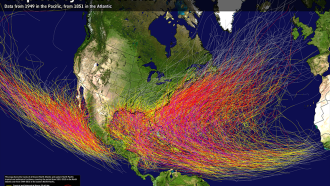
Analyze This: Seasonal hurricane costs have been rising sharply
Scientists study past hurricanes to help them predict future risks. Better predictions can help communities prepare for monster storms.
- Climate
Climate change is shifting when Europe’s rivers flood
Climate change has been shifting when European rivers flood by weeks or even months. This is likely to have been impacts on cities, farms and ecosystems.
- Climate
Explainer: Hurricanes, cyclones and typhoons
Hurricanes are some of the most destructive forces on the planet. Here’s how they form and why they are so dangerous.
- Climate
Scientists Say: Ozone
Ozone is a molecule made of three oxygen atoms. In a layer above the Earth, it protects us from harmful radiation, but too close to home, it can harm our health.
- Climate
Hotter air may lead planes to carry fewer passengers
Global warming could force airplanes to carry a lighter load on each flight. This could mean fewer passengers can fly on each plane.
- Earth
Antarctic ice shelf sheds Delaware-sized iceberg
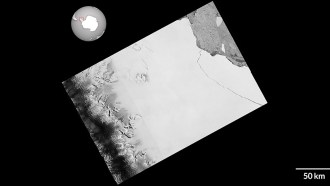
Larsen C is a major ice shelf in Antarctica. An iceberg the size of Delaware has just splintered off of it in one of the largest calving events ever recorded.
- Climate
Hunting the mysterious source of a global illness
Doctors and scientists around the world are scouring the environment for the elusive cause of Kawasaki disease, a harmful childhood illness.
- Climate
Cool Jobs: Bringing caves’ dark secrets to light
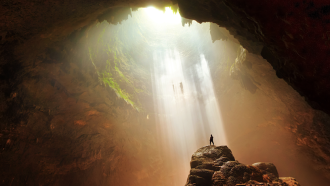
These three cave researchers study caves to learn more about climate, geology and organisms that can survive some of Earth’s most hostile environments.
- Chemistry
Trees can make summer ozone levels much worse
The greenery can release chemicals into the air that react with combustion pollutants to make ozone. And trees release more of those chemicals where it gets really hot, a new study finds.
- Climate
Ancient Arctic ‘gas’ melt triggered enormous seafloor explosions
Methane explosions 12,000 years ago left huge craters in bedrock on the Arctic seafloor. Scientists worry more could be on the way today as Earth’s ice sheets melt.