Environment
- Climate
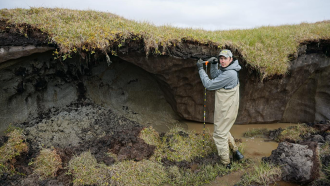
Earth’s permafrost is heating up
Climate change is warming Earth’s permafrost — and in some places thawing it. This could lead to massive releases of planet-warming greenhouse gases.
- Ecosystems
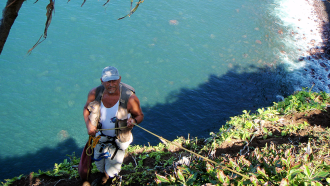
Rare-plant hunters race against time to save at-risk species
One in five plants is at risk of extinction. Meet the rare plant hunters who rappel down cliffs and trek through forests to save them.
- Climate
Distant volcano could turn latest lunar eclipse dark red
The recent eruption of Anak Krakatau, an Indonesian volcano, could alter the color of this coming weekend’s lunar eclipse.
- Environment
Here’s the science you loved in 2018
When our readers read about science, they want to read about research that hits close to home, like smartphones, chocolate, vaping and more.
- Environment
ICYMI: 2018’s top science offerings
From gene-edited babies to firenados and lavanados, this year offered both stunning news and curiosities in the world of science and research.
- Climate
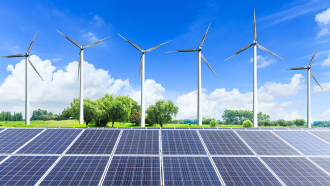
Renewable energy might be able to green a desert
Computer models show that placing wind turbines and solar farms in deserts could increase how much rain falls in nearby areas.
- Climate
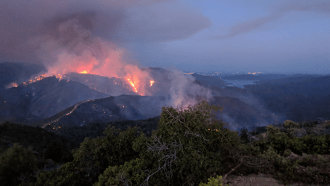
California’s Carr Fire spawned a true fire tornado
On July 23, an innocuous spark grew into California’s deadly Carr Fire. Three days later, it unleashed a lethal fire tornado.
- Climate
Is climate change fanning megafires?
Climate studies predict that a warmer world will up the risk of megafires. Now, scientists are studying real blazes for the fingerprint of a warming climate.
- Climate
Eastern Pacific records its most energetic hurricane season
The eastern Pacific Ocean has been cranking out storms. Now it’s reached its most active season on record.
- Climate
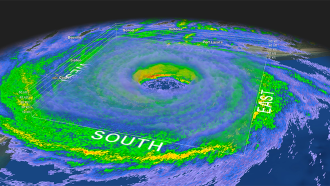
Explainer: The furious eye(wall) of a hurricane or typhoon
The eyewall is the most intense part of a hurricane. Here’s what drives its fury.
- Climate
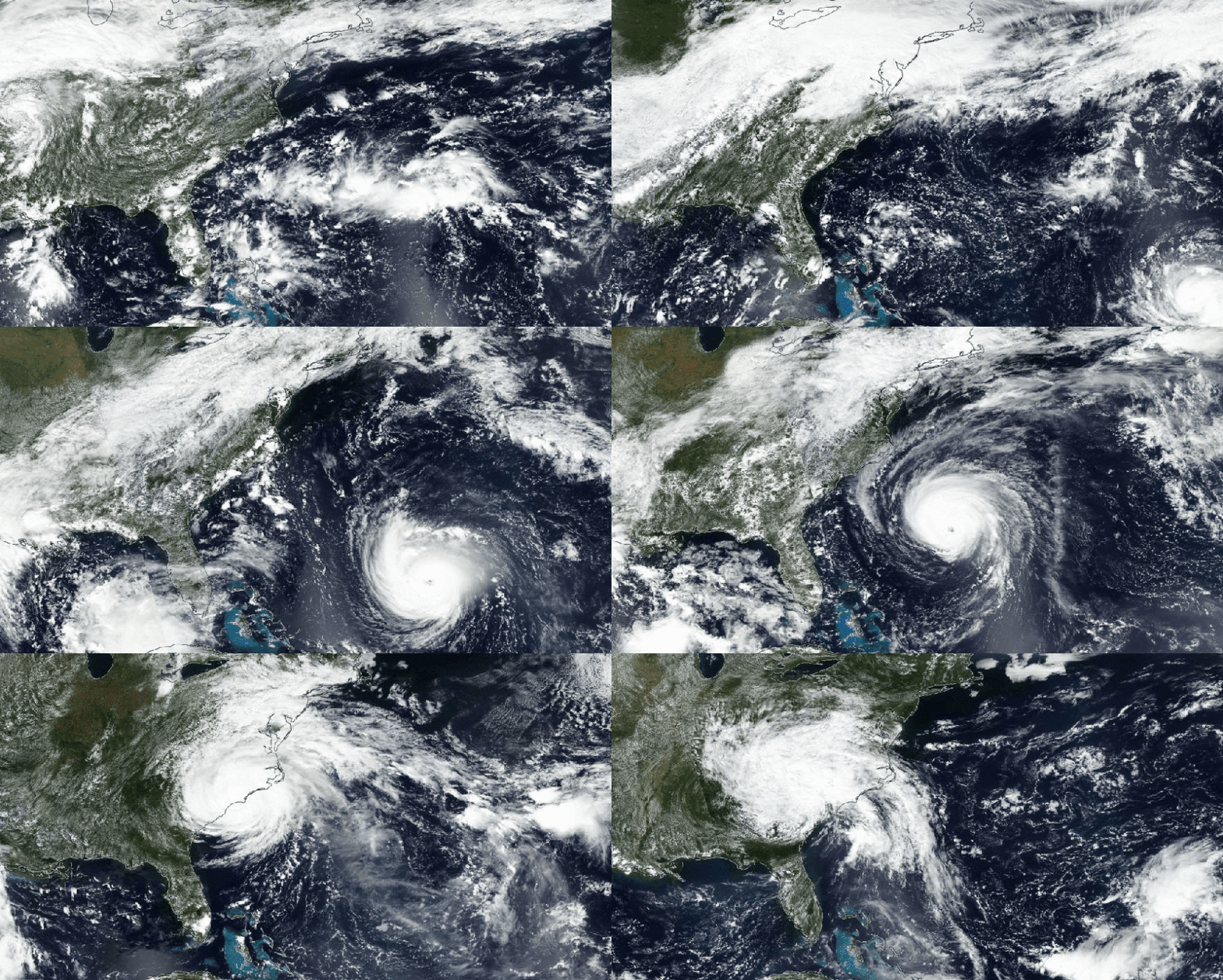
Is Hurricane Florence one sign of new climate trend?
Despite making landfall as a mere Category 1 tempest, Hurricane Florence proved a beast. And there were warnings it would be as it rapidly strengthened at sea.
- Environment
Wildfires worsen extreme air pollution in U.S. northwest
America’s air is getting cleaner — except in places prone to frequent wildfires.