Environment
- Animals
Chef puts eco-bullies on the menu
Some immigrant species can become a nuisance, eating up or displacing the natives. Often people find little incentive to catch and remove the newcomers — unless they find them too yummy to pass up.
- Tech
Soaking up oil spills — with cotton
Natural, low-grade cotton could help clean up oil spills better than synthetic materials, a new study finds. And unlike synthetics, cotton breaks down naturally.
- Animals
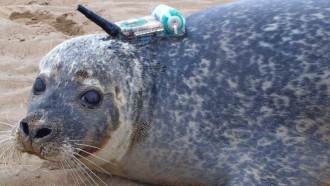
Wind farms: Restaurants for seals?
Scientists have tracked harbor seals visiting the turbines of ocean wind farms. The predators may be drawn by fish that make their homes in the artificial reefs created by the manmade structures.
- Environment
Watering plants with wastewater can spread germs
Recycled waste water may slake the thirst of outdoor plants. But it also can spread bacteria, a new study finds — germs that antibiotics may not be able to kill.
- Environment
Explainer: What are endocrine disruptors?
Some chemicals can act like hormones, turning on or off important processes in cells. That can harm development or even trigger disease.
- Environment
Bug-killer linked to decline in birds
One of the most popular chemicals used to protect crops from bugs may also take a toll on birds, a Dutch study finds. U.S. farmers also rely on these insecticides, a second study finds.
- Environment
Seeing red: North’s CO2 hits new peak
CO2 values are now 50 percent higher than before the Industrial Revolution.
- Environment
Native ‘snot’
The ‘rock snot’ choking rivers may be native algae. Experts blame its sudden and dramatic emergence on changes in Earth’s atmosphere, soils and climate.
- Climate
Arctic sends weird weather south
Arctic warming is affecting weather farther south, where most of the world lives. The impacts are especially worrisome for agriculture.
- Environment
Burning to learn
Fires cause billions of dollars of destruction to homes and forests every year. But not all fires are bad, especially for forests. With a better understanding of fire, scientists can both help people prevent dangerous fires — and identify which ones it would be better to let burn.
- Environment
Explainer: How and why fires burn
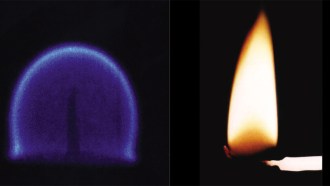
A fire’s colorful flame results from a chemical reaction known as combustion.
- Environment
China exports pollution alongside goods
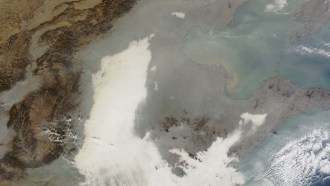
Many companies have moved the plants that make their products to developing countries, such as China. But the pollution linked to making those products can travel around the world.