Tech
- Computing
This computer scientist uses math to help people be treated fairly
Ariel Procaccia has designed computer algorithms that help split up credit on group projects, distribute donations, pick citizens’ assemblies and more.
- Tech
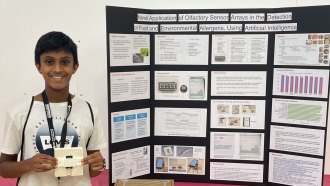
This teen engineer’s device sniffs out common food allergens
Inspired by his own severe food allergies, Thermo Fisher JIC finalist Samvith Mahadevan built a device to protect people from allergen exposure.
- Tech
For teens, virtual reality worlds aren’t all fun and games
More than a third of surveyed teens who used VR headsets reported they had experienced hate speech, bullying or harassment in virtual reality environments.
- Tech
Move over Iron Man, exoskeletons are getting real
Real-world wearable devices help people stay safe at work and accomplish everyday tasks.
- Tech
A lucky lab accident produces Spider-Man-like silk
Researchers found a way to mimic Spider-Man’s web shooters in real life. This is the first adhesive that can stick to and lift things from a distance.
- Artificial Intelligence
Want your own AI double? There could be big benefits — and risks
People are using AI to mimic their own voice, likeness and personality. Some are excited about these new digital clones. Others worry, what could go wrong?
- Artificial Intelligence
AI job-screening tools are very prejudiced, study finds
AI job-screening tools ranked white-associated names higher than Black-sounding ones. Male names also were preferred. Black male names were never favored.
- Plants
Plant and fungi parts help robots level up
Fusing machines with plants and fungi isn’t just sci-fi. A new generation of biohybrid devices could someday help in agriculture or energy production.
- Computing
Explainer: What is the internet?
The internet is a massive structure made up of cables, routers, exchange points, data centers, cell towers, antennas and more. All sorts of devices share data using this network.
- Space
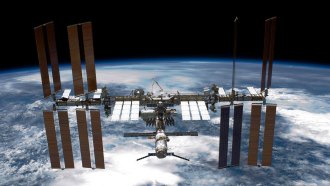
Let’s learn about the International Space Station
Astronauts on the space station have gathered data on everything from climate change to dark matter.
- Tech
Bird-inspired airplane wings could boost flight performance
Rows of flaps inspired by a bird wings’ feathers improve airfoil performance to boost lift and reduce drag.
- Tech
To stay cool, some future homes may build on past power-free tech
Accordion-pleated walls and other heat-managing structures could cool homes in hot, dry places naturally — without electricity.